2025 FIATA-RAMS Field Meeting Special!

The 2025 FIATA-Region Americas Field Meeting, took place 3-5 December 2025, within the prestigious FITAC International Congress, hosted by the Federación Colombiana de Agentes Logísticos en Comercio Internacional (FITAC). The event gathered 607 participants from 20 territories and was attended by senior government and customs officials, representatives of international organisations, leaders from ports and free trade zones, industry executives, academics and recognised experts from across the logistics and freight forwarding sector. This strong turnout reflects the growing relevance of FIATA’s regional agenda and aligns with other successful Field Meetings, such as the 2025 FIATA-Region Africa and the Middle East Field Meeting earlier this year in Zanzibar, Tanzania.
FIATA extends its heartfelt appreciation to FITAC for the outstanding organisation and commitment, which was unanimously praised by participants. Special recognition goes to Mr Miguel Espinosa, FIATA RAMS Chair and FITAC Executive President, and Mr Guillermo Gonzalez Larsen, FIATA Vice-President and FITAC President, for their unwavering dedication to advancing FIATA’s mission and strengthening the logistics industry globally, regionally, and in Colombia.
FIATA also thanks its Association Members from the Region for sharing their expertise and institutional vision, enriching discussions on critical topics such as trade facilitation, security, sustainability, and logistics efficiency. These contributions underscore a vital truth: acting in isolation is no longer an option—regional and international cooperation is a strategic imperative.
Through collaborative platforms like the FIATA-RAMS Field Meeting, FIATA continues to build a robust regional agenda, deliver meaningful impact in international fora, and create concrete opportunities for joint action that benefit the entire logistics ecosystem of the Americas and globally.
Insightful Opening Session
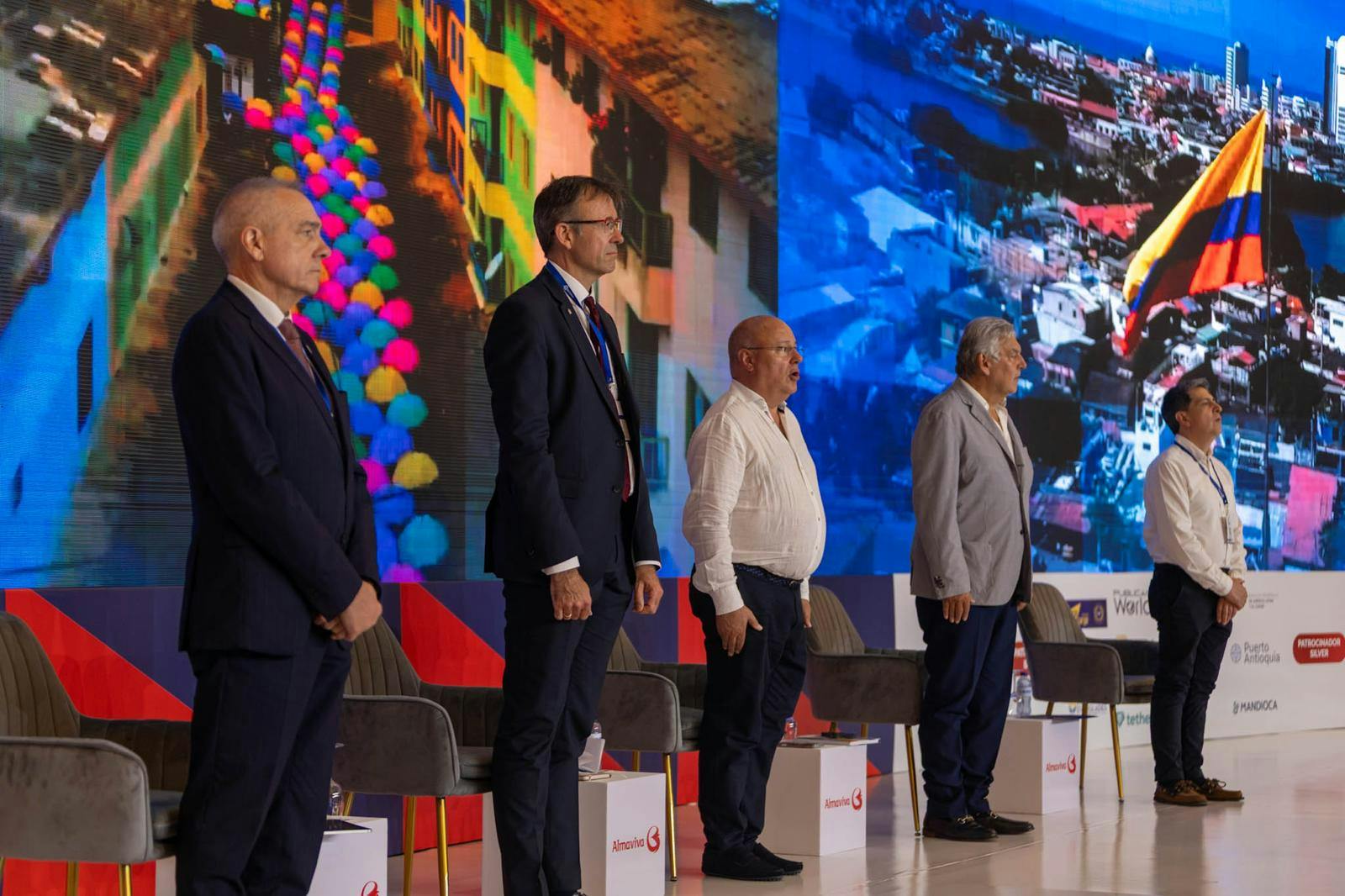
From left to right: Mr Pere Navarro, Special State Delegate at the Barcelona Free Trade Zone Consortium; Dr Stéphane Graber, FIATA Director General; Mr Guillermo Gonzalez Larsen, FIATA Vice-President and FITAC President; Mr Jaime Alberto Cabal Sanclemente, Federación Nacional de Comerciantes Empresarios (FENALCO) President; and Mr Miguel Espinosa, FIATA RAMS Chair and FITAC Executive President.
The opening session featured Mr Pere Navarro, Special State Delegate at the Barcelona Free Trade Zone Consortium; Dr Stéphane Graber, FIATA Director General; Mr Guillermo Gonzalez Larsen, FIATA Vice-President and FITAC President; Mr Jaime Alberto Cabal Sanclemente, Federación Nacional de Comerciantes Empresarios (FENALCO) President; and Mr Miguel Espinosa, FIATA RAMS Chair and FITAC Executive President.
The FIATA Director General, emphasised that “Disruption is no longer an exception—it is the new normal. Leadership today is tested not by the pace of disruption but by the ability to turn it into direction”. Global logistics faces unprecedented change: deglobalisation, economic shocks, geopolitical tensions, and sustainability pressures are reshaping trade routes and supply chains. The shift from “just in time” to “just in case” makes resilience an economic imperative. Sustainability and technology lead this transformation. Decarbonisation, green fuels, and multimodal solutions are now core requirements, while digitalisation brings efficiency and new challenges in cybersecurity.
FIATA’s roadmap for 2026 focuses on five pillars: Multimodal Connectivity; Digital Interoperability; Harmonized Border Procedures; Sustainability Integration and Capacity Building. As the global voice of multimodal transport, FIATA is committed to bridging gaps, supporting governments and members, and empowering freight forwarders all around the globe to thrive in this new era.
The Barcelona Free Trade Zone Consortium and its Contribution to the Digitalisation and Modernisation of Foreign Trade
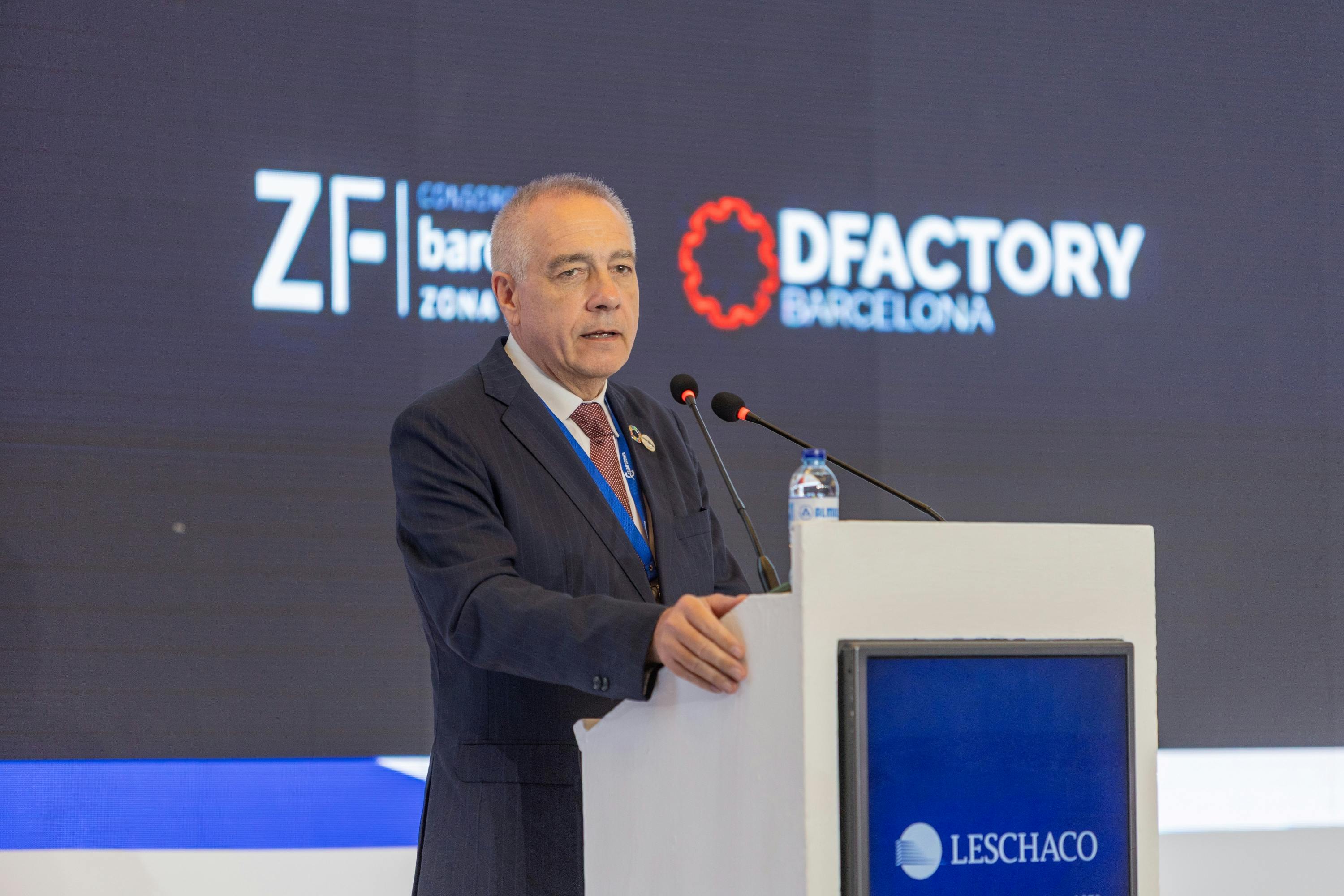
Mr Pere Navarro, Special State Delegate at the Barcelona Free Trade Zone Consortium.
Mr Pere Navarro, Special State Delegate at the Barcelona Free Trade Zone Consortium, highlighted Barcelona’s strategic vision to strengthen its position as a leading logistics and technology hub in the Mediterranean. He outlined how the Barcelona Free Trade Zone Consortium is aligning world-class physical infrastructure with an advanced digital ecosystem to support more efficient, transparent, and sustainable trade flows. Emphasis was placed on the role of digitalisation in improving traceability, streamlining procedures, and enhancing competitiveness for businesses operating across international supply chains.
Logistics Corridors and Their Contribution to Global Competitiveness
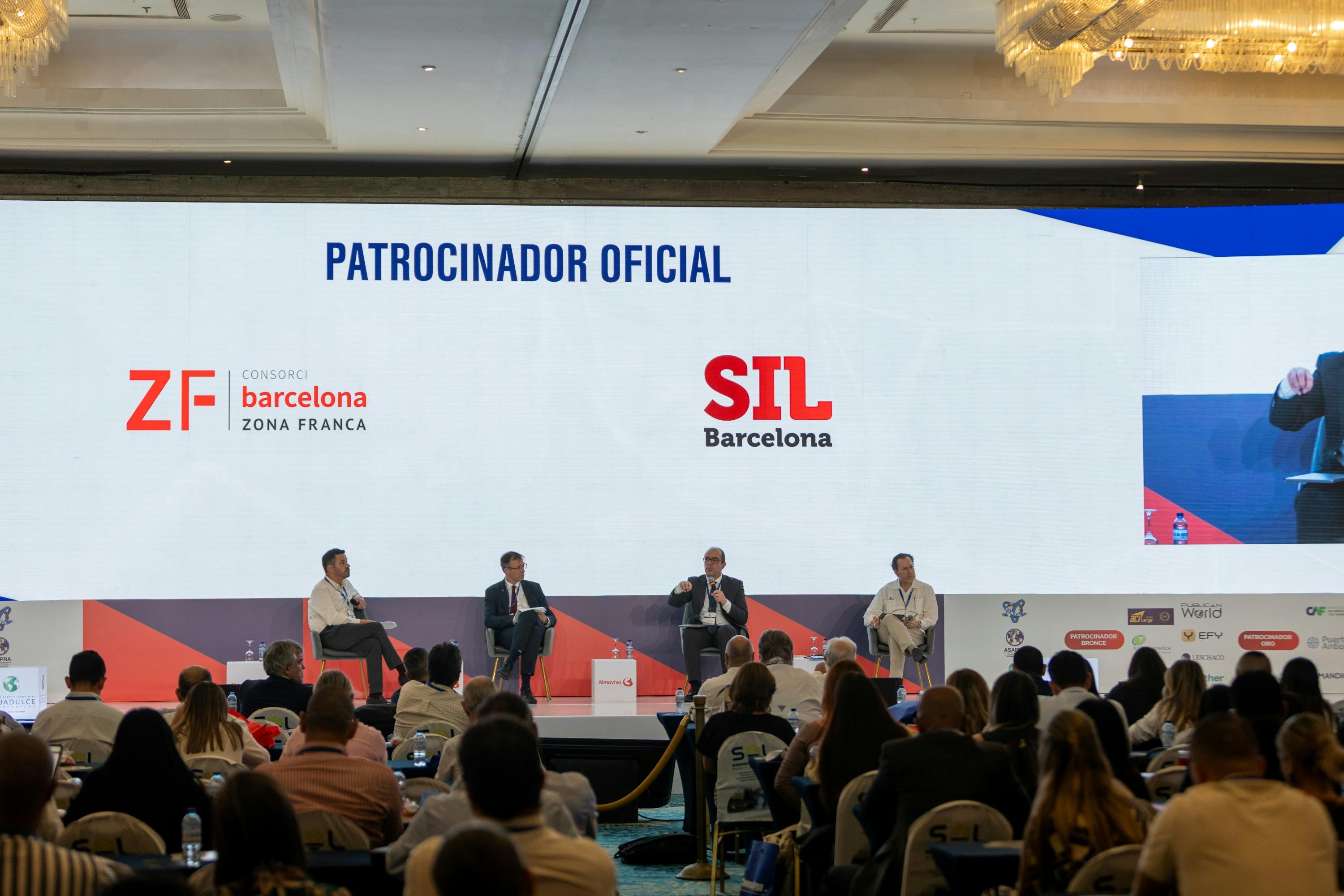
From left to right: Mr César Camilo Cermeño Cristancho, Director of the Specialization in Customs, Ports, Foreign Exchange and Logistics - Faculty of Law - University of Los Andes (Colombia); Dr Stéphane Graber, FIATA Director General; Dr Manuel Alba, Secretary General of the Spanish Maritime Law Association; and Mr José Antonio Ardavin, Head of Latin América and the Caribean OECD.
The opening panel of the FIC/FIATA-RAMS Field Meeting brought together leading experts - Mr César Camilo Cermeño Cristancho, Director of the Specialization in Customs, Ports, Foreign Exchange and Logistics - Faculty of Law - University of Los Andes (Colombia); Dr Stéphane Graber, FIATA Director General; Dr Manuel Alba, Secretary General of the Spanish Maritime Law Association; and Mr José Antonio Ardavin, Head of Latin América and the Caribean OECD - to discuss strategies for making logistics corridors both competitive and sustainable.
Dr Graber highlighted the transformative impact of digitalisation on corridor efficiency, resilience, and sustainability. He noted that real-time tracking, process automation, and capacity optimisation are now achievable through Internet of Things (IoT), digital platforms, and advanced analytics. The digital Negotiable FIATA Multimodal Transport Bill of Lading (eFBL) was cited as a concrete example, streamlining operations, reducing errors, and enhancing compliance. Advanced analytics and digital twins now enable corridor managers to simulate changes before implementation, improving decision-making and operational outcomes.
Dr Graber also addressed key challenges: data fragmentation, cybersecurity risks, high implementation costs, regulatory misalignment, and resistance to change. He highlighted the FIATA-GSF (Global Shippers Forum) Charter for Protection and Governance of Data in International Trade and ongoing training initiatives that are helping to build trust and support the adoption of digital solutions.
The panel also raised the significance of the United Nations Commission on International Trade Law's (UNCITRAL) new Convention on Negotiable Cargo Documents (NCD), which establishes a harmonised legal framework for negotiable transport documents across all modes. Closely aligned with the Negotiable FIATA Multimodal Transport Bill of Lading (FBL), this convention will facilitate trade finance, support digital trade, and enhance corridor competitiveness - especially for landlocked and multimodal routes.
The panellists agreed that competitiveness in logistics depends on reliability, speed, and cost, while resilience is now a necessity. Corridors must be designed for flexibility, diversification, and digital visibility to withstand disruptions such as pandemics, extreme weather, and geopolitical conflicts. He underscored that collaboration and the promotion of standards are essential for harmonising data flows and ensuring that innovation benefits all stakeholders in the global logistics ecosystem
Focusing on Latin America, the discussion underscored how well-managed cross-border corridors can reduce logistics costs, support regional integration, attract investment, and strengthen participation in global value chains.
The New Global Geopolitical Landscape and Its Impact on Port and Maritime Transport Logistics
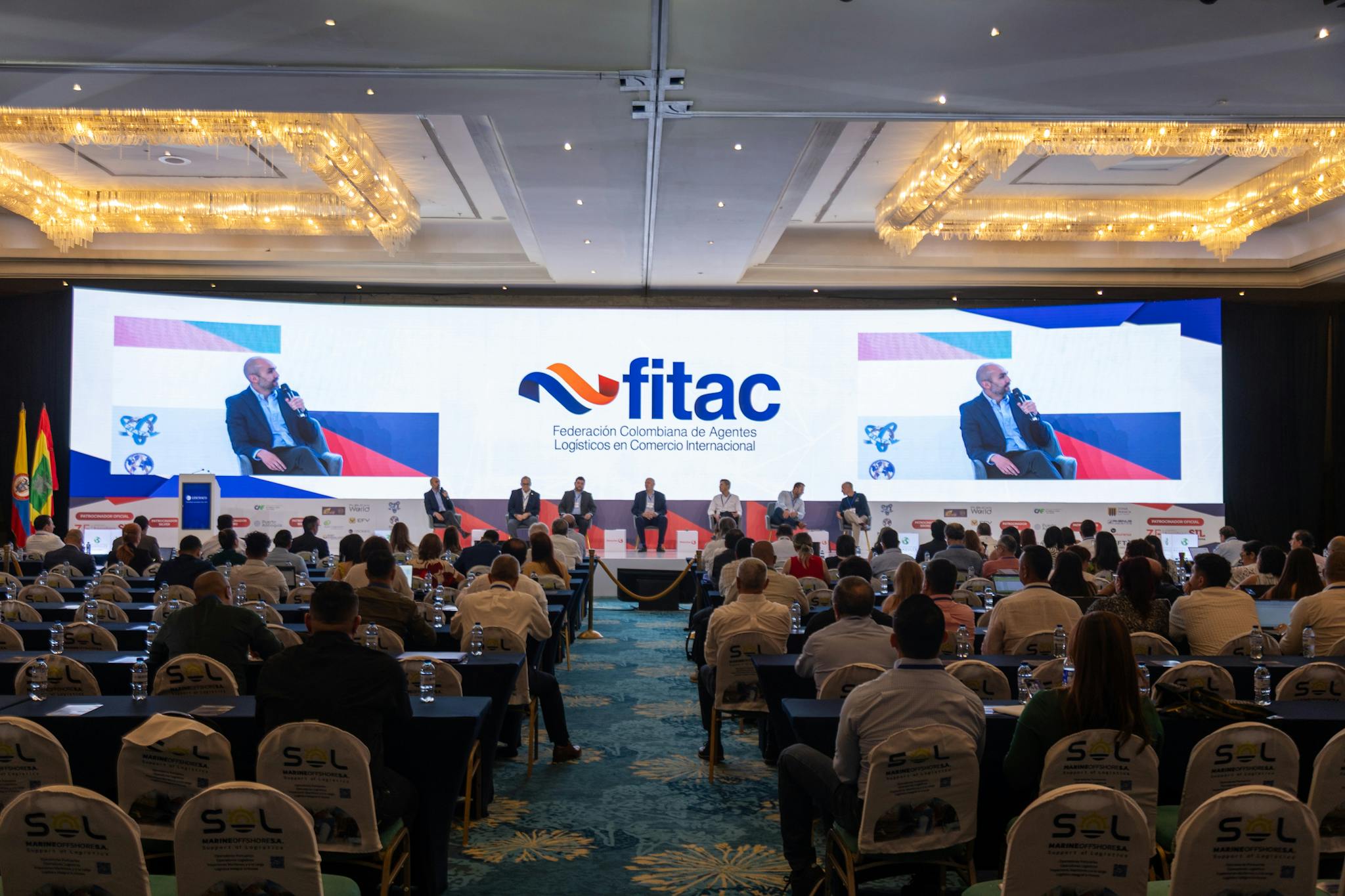
From left to right: Mr Javier Franco, Director of the Observatory of Logistics, Externado University of Colombia; Mr Robert Barceló, Principal Manager of Business Development, Port Everglades; Mr Efraín Osorio Baxter, Managing Director for Central America, Andean Region, and the Caribbean, MAERSK; Mr Giovanni Benedetti, COO Contecar, Port of Cartagena; Mr Raúl Pérez Tatis, General Manager, Puerto Bahía Port Society; Mr Alejandro Costa Posada, President, Puerto Antioquia; and Mr Manuel Buitrago Vives, President and CEO, Port of Barranquilla.
The panel - featuring Mr Javier Franco, Director of the Observatory of Logistics, Externado University of Colombia; Mr Robert Barceló, Principal Manager of Business Development, Port Everglades; Mr Efraín Osorio Baxter, Managing Director for Central America, Andean Region, and the Caribbean, MAERSK; Mr Giovanni Benedetti, COO Contecar, Port of Cartagena; Mr Raúl Pérez Tatis, General Manager, Puerto Bahía Port Society; Mr Alejandro Costa Posada, President, Puerto Antioquia; and Mr Manuel Buitrago Vives, President and CEO, Port of Barranquilla. - examined how global geopolitical shifts are driving profound changes in maritime and port logistics, prompting international trade actors to reassess strategies, routes, and operating models. Speakers highlighted how geopolitical tensions, conflicts, trade measures, and evolving economic alliances are increasing fragmentation in global trade, leading to greater supply chain volatility and impacting maritime planning, service reliability, and logistics costs. Ports and shipping companies are increasingly required to operate in uncertain environments marked by traffic reconfigurations, route diversions, and frequent adjustments in capacity and schedules.
The discussion also addressed how these dynamics are accelerating production relocation and reshaping the strategic role of ports and maritime corridors. It was noted that port competitiveness now extends beyond throughput volumes to encompass resilience, operational efficiency, security, and strong multimodal connectivity. Investment in infrastructure, digitalisation, automation, and risk management was identified as essential to maintaining competitiveness in a context where maritime logistics has become integral to economic and trade security.
The need to manage geopolitical pressures while advancing sustainability and energy transition objectives was also discussed. A long-term strategic approach was encouraged, with a focus on international cooperation, route and market diversification, and the adoption of technologies that enhance traceability, efficiency, and responsiveness to global disruptions.
From Idea to Practice: How to Leverage Digital Disruption in the Logistics Sector
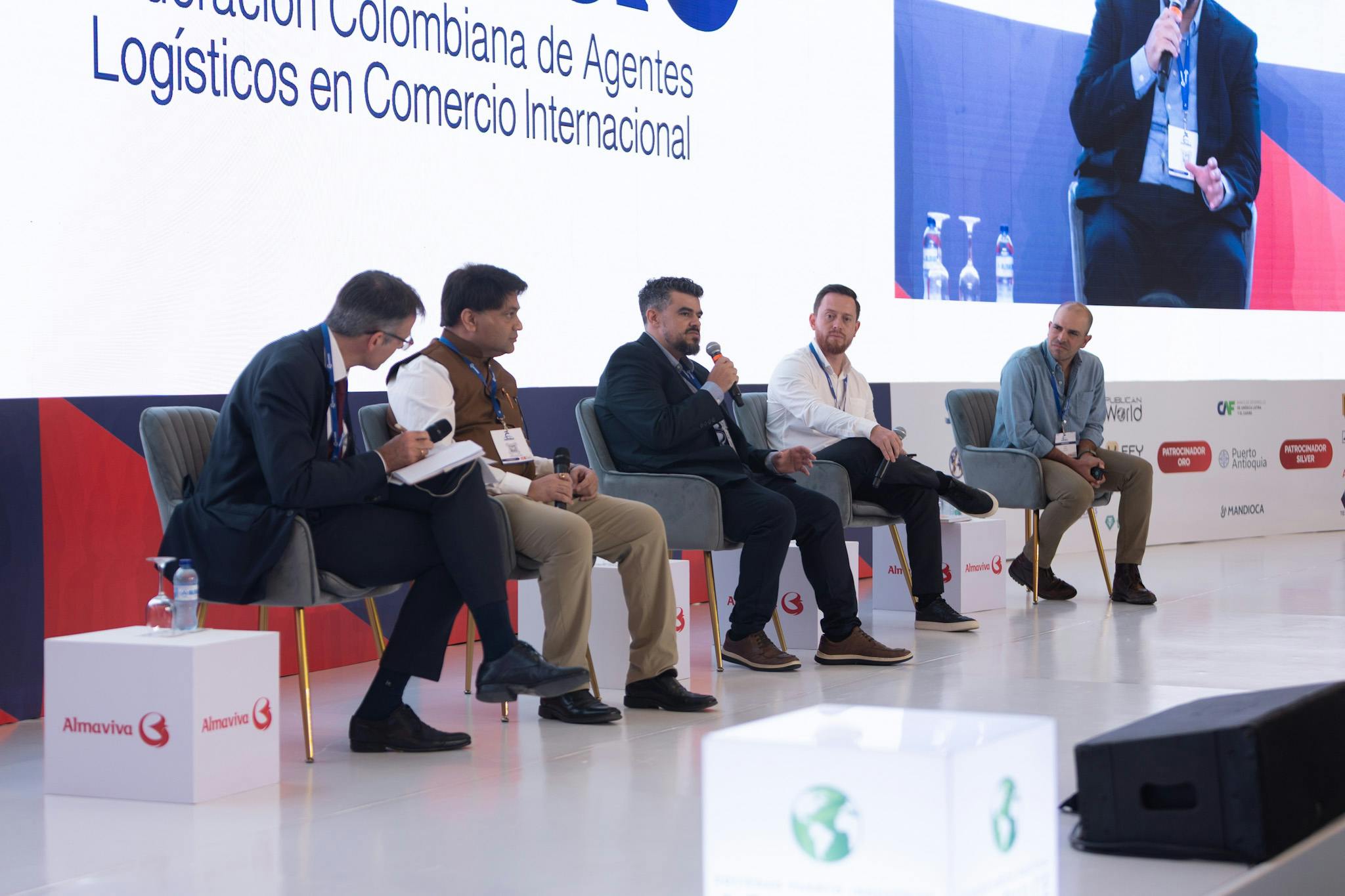
From left to right: Dr Stéphane Graber, FIATA Director General; Mr Amar More, President, KALE Solutions; Mr Lucas Sanches, Senior Product Manager, CargoWise; Mr Edison Salazar Mejía, Head of Corporate IT, LESCHACO;and Mr Julio Cantu, Co-founder and CEO of ADUANAPP.
The FIATA Director General, Dr Stéphane Graber, moderated the panel From Idea to Practice: How to Leverage Digital Disruption in the Logistics Sector featuring Mr Amar More, President, KALE Solutions; Mr Lucas Sanches, Senior Product Manager, CargoWise; Mr Edison Salazar Mejía, Head of Corporate IT, LESCHACO; Mr Julio Cantu, Co-founder and CEO of ADUANAPP.
The panel explored which technological developments, such as Artificial Intelligence (AI), automation, and quantum technology, are most transformative for logistics, and how the roles of freight forwarders and customs brokers will evolve in a digital ecosystem. Participants also discussed the barriers to digitalisation and what is needed to unlock its full potential.
The discussion began with each expert sharing how their organisations create value for the industry. A key takeaway was that technology acts primarily as an enabler: understanding processes is essential, and solutions must be tailored to business needs. AI, for example, excels at automating repetitive tasks and extracting actionable insights from data, but its outputs always require human validation. Mr Amar More encouraged the audience to imagine the future of their business and use a mix of technologies, including AI, to achieve their vision, emphasising that technology should serve to improve services.
Panellists agreed that integrating new technologies into company systems is crucial for delivering better services. They highlighted the importance of embracing innovation, fostering collaboration, and ensuring that digital transformation is inclusive and sustainable. Industry-wide standards, ongoing education, and strong institutional support are needed to help logistics stakeholders navigate the rapidly changing digital landscape.
The panel concluded that change in logistics is inevitable, just as Uber transformed personal transport, digitalisation will reshape supply chains. While some may wait for change, organisations like FIATA are leading the way, and those who embrace innovation will be the winners. FIATA’s role is vital in uniting the industry, overcoming resistance to change, and bridging shippers and forwarders in a common, inclusive vision for the future of logistics services.
The Future of International Trade – Instant Payments and Digital Assets for the New Global Economy
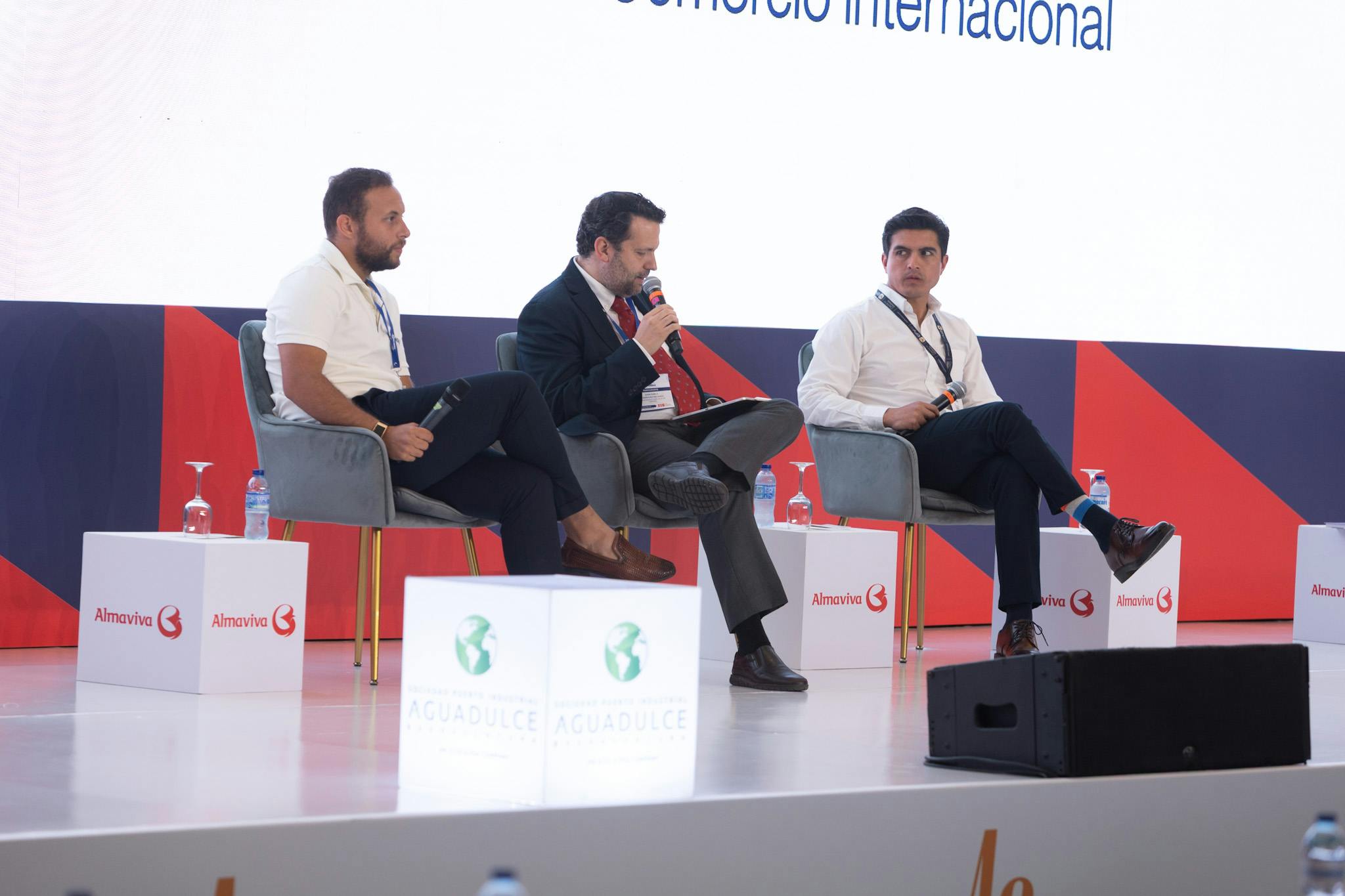
From left to right: Mr Leandro Meneses, CEO, Mandioca; Dr Juan Pablo Rodríguez Delgado, Full Professor at Carlos III University; and Mr Felipe Chávez, COO Global Markets & FX Trading Operations, EFY.
The session examined how technological innovation in the financial sector is reshaping global trade dynamics. Instant payments and digital assets, including cryptocurrencies and central bank digital currencies, were highlighted as drivers of faster, more efficient, and secure international transactions. By reducing reliance on traditional intermediaries, these tools can lower transaction costs and shorten settlement times, factors that directly influence competitiveness in global trade.
Speakers also underlined the potential of these technologies to advance financial inclusion, particularly in markets with limited access to conventional banking services. The integration of instant payment systems with logistics and commercial platforms was identified as a means to enhance transaction traceability and transparency, strengthening trust across international supply chains.
The discussion further addressed challenges linked to this evolving financial architecture, such as the need for harmonised regulatory frameworks, the volatility of certain digital assets, and cyber and operational risks. Despite these challenges, the panel recognised that digital financial innovations are redefining the foundations of international trade and creating new opportunities to improve efficiency and competitiveness in an increasingly digitalised environment.
Speakers included Mr Leandro Meneses, CEO, Mandioca; Mr Felipe Chávez, COO Global Markets & FX Trading Operations, EFY and the session was moderated by Dr Juan Pablo Rodríguez Delgado.
The Power of AI in Customs Operations and Traceability
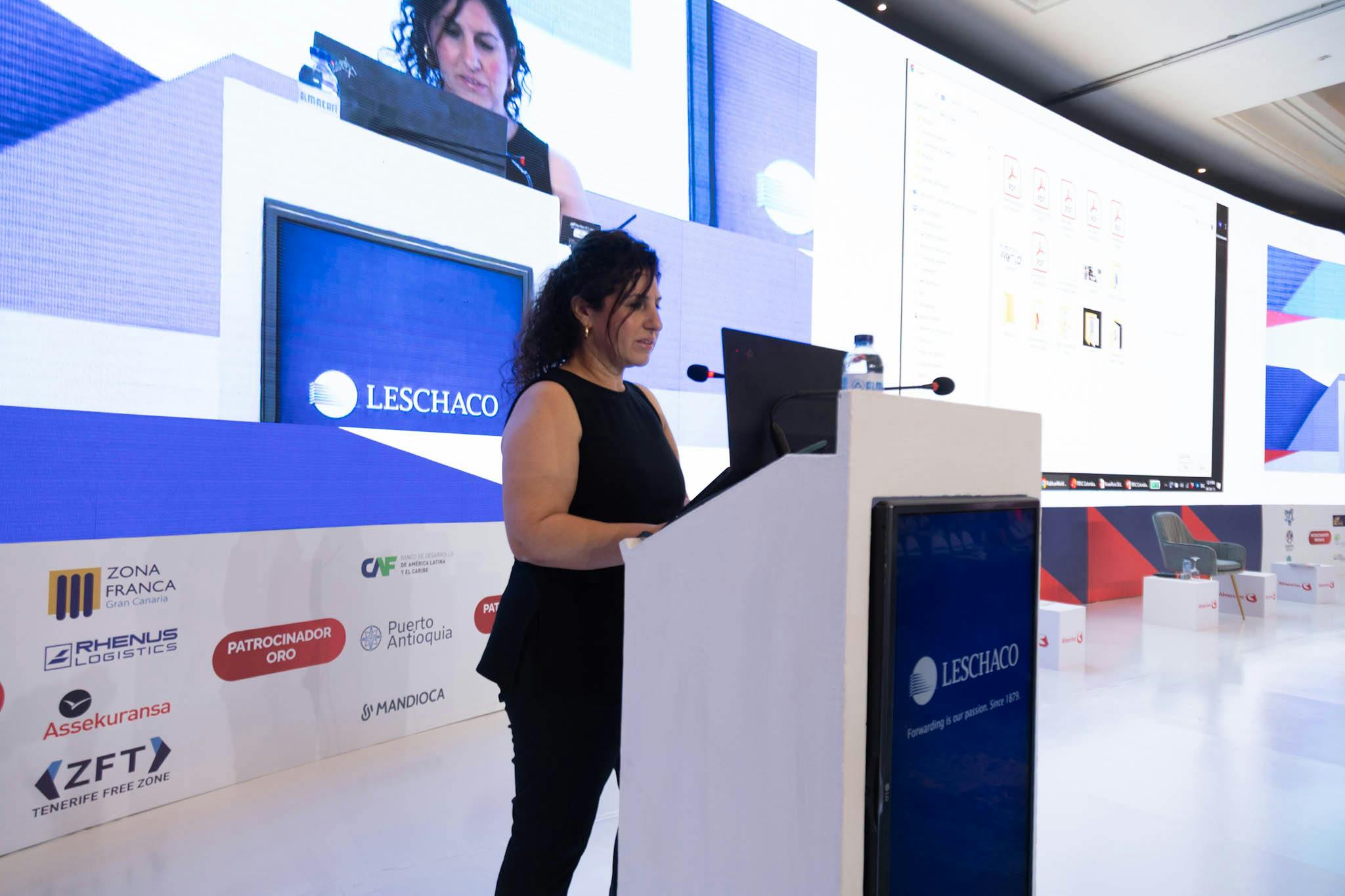
Mrs Natali Zekaira, Head of Enterprise Sales, Publican World by Ultra.
The session, led by Mrs Natali Zekaira, Head of Enterprise Sales, Publican World by Ultra, explored how Artificial Intelligence (AI) is increasingly being used as a strategic tool to enhance customs operations and promote more agile, efficient, and secure borders. AI models and advanced analytics were discussed as means to support risk management, control selectivity, and prioritise operations, allowing customs authorities to concentrate on higher-risk activities without disrupting the flow of legitimate trade. Data-driven decision-making was highlighted as a way to improve predictability, reduce clearance times, and optimise operational capacity at border points.
Mrs Zekaira also examined AI’s impact on automating customs processes, including assisted tariff classification, document analysis, inconsistency detection, and operational traceability. She emphasised that these solutions help reduce errors, standardise procedures, and strengthen transparency, ultimately fostering a more effective relationship between authorities and international trade operators.
Customs Governance in the Face of Facilitation Challenges
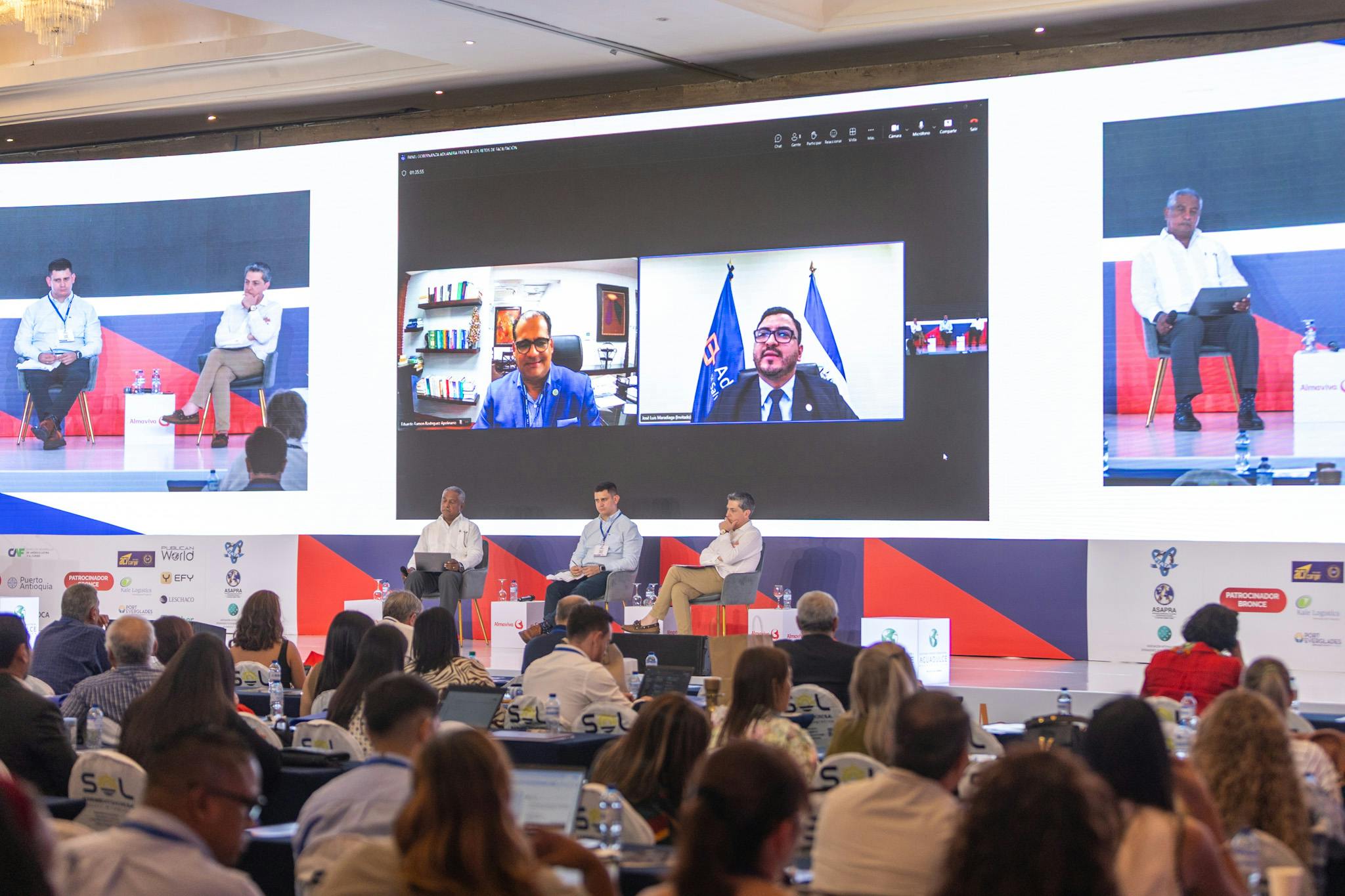
From top to bottom, left to right: Mr Eduardo Ramon Rodriguez Apolinario, Advisor to the Director General of Customs in the Dominican Republic; Mr José Luis Maradiaga, Subdirector General of the General Directorate of Customs (Dirección General de Aduanas) in El Salvador; Mr Reynaldo Bello, Deputy Director General of Logistics, Panama Customs Directorate; Mr Omar David Flórez, Deputy Director of Services and Facilitation of Foreign Trade at the National Directorate of Taxes and Customs of Colombia, DIAN; and Mr Miguel Espinosa, FIATA RAMS Chair and FITAC Executive President.
The panel - featuring Mr Eduardo Ramon Rodriguez Apolinario, Advisor to the Director General of Customs in the Dominican Republic; Mr José Luis Maradiaga, Subdirector General of the General Directorate of Customs (Dirección General de Aduanas) in El Salvador; Mr Reynaldo Bello, Deputy Director General of Logistics, Panama Customs Directorate; Mr Omar David Flórez, Deputy Director of Services and Facilitation of Foreign Trade at the National Directorate of Taxes and Customs of Colombia, DIAN; and Mr Miguel Espinosa, FIATA RAMS Chair and FITAC Executive President - examined strategic governance as a vital framework for strengthening trade facilitation and enhancing global competitiveness, emphasising the role of customs administrations in balancing control, efficiency, and economic growth. Modern governance, it was noted, extends beyond regulatory compliance to include inter-institutional coordination, aligned public policies, and a holistic view of the logistics chain, enabling effective responses to international trade dynamics and market demands.
Speakers also highlighted the importance of regional and international cooperation in customs and logistics. System interoperability, harmonised procedures, and timely information exchange were identified as key to reducing border frictions and facilitating legitimate trade. Effective strategic governance, the panel concluded, enhances process predictability, transparency, and trust between authorities and foreign trade operators—critical factors in improving operational efficiency and competitiveness in international trade.
Official FIATA RAMS Session: Driving the Global Logistics Industry through Uncertainties
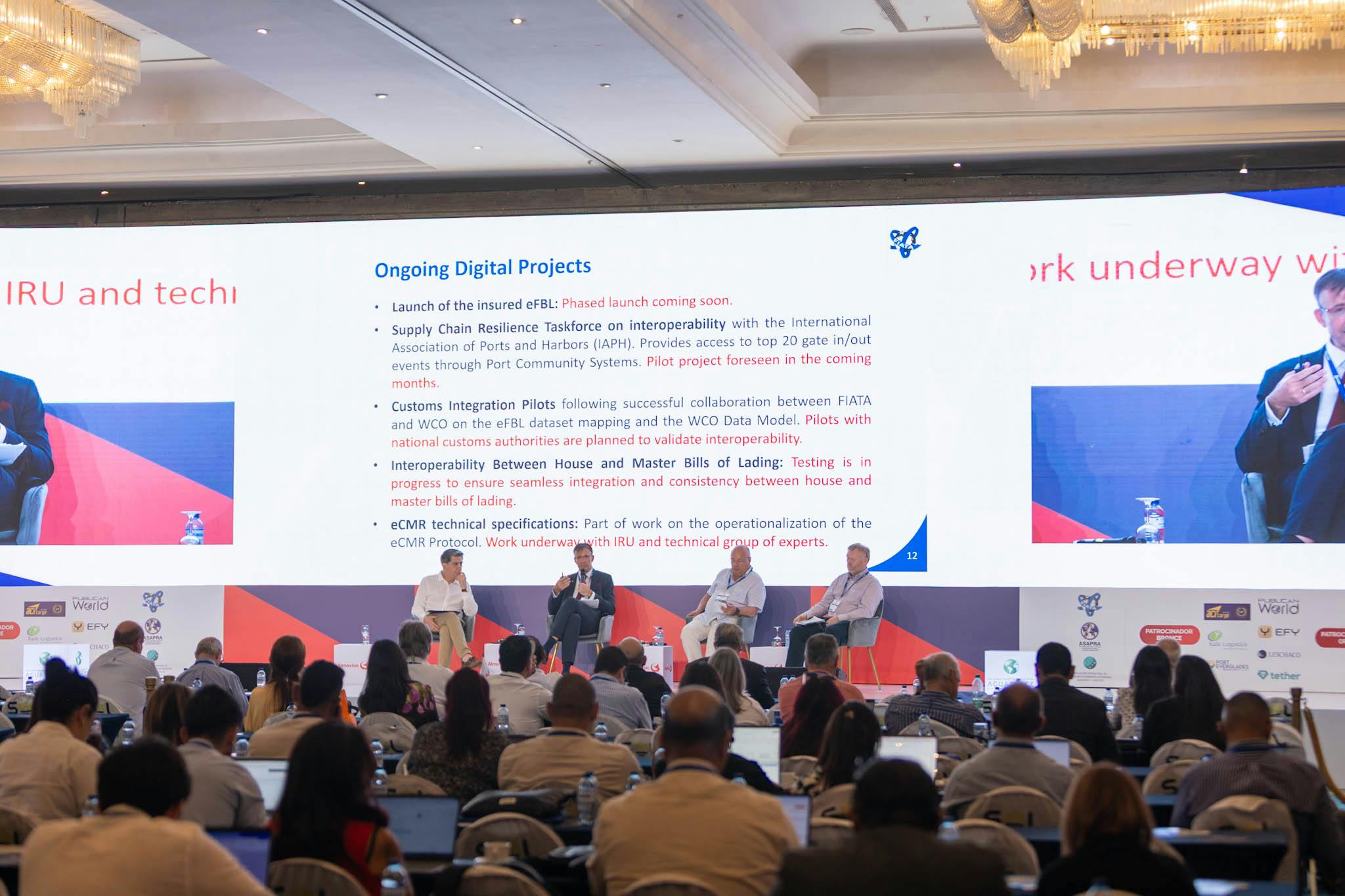
From left to right: Mr Miguel Espinosa, FIATA RAMS Chair and FITAC Executive President; Dr Stéphane Graber, FIATA Director General; Mr Guillermo Gonzalez Larsen, FIATA Vice-President and FITAC President; and Mr Neil Taylor, FIATA Treasurer.
The FIATA RAMS Official Session highlighted FIATA’s role as a key international leader in transforming global trade and logistics. In a context shaped by geopolitical, technological, and regulatory disruptions, FIATA was presented as a vital link between the private sector, international organisations, and public authorities, promoting a shared vision to facilitate trade, enhance competitiveness, and support sustainable and resilient supply chains.
Speakers emphasised FIATA’s contributions to the evolution of the sector, including the development of global standards, documentary instruments, technical guidelines, and cooperative platforms that harmonise logistics practices internationally. Key areas of focus included trade digitisation, system interoperability, professionalisation of talent, and the adoption of best practices that strengthen transparency, efficiency, and security in foreign trade operations. The session also served as a platform for FIATA Association Members to exchange experiences, discuss challenges and priorities, fostering regional learning and collaboration
The session concluded that FIATA’s international leadership stems from its ability to anticipate trends, represent the logistics sector globally, and support Association Members in adapting to changing trade dynamics. This positions FIATA as a strategic reference point in building a resilient, inclusive, and future-ready global logistics system.
Inclusion as a Strategy to Increase Logistics Competitiveness
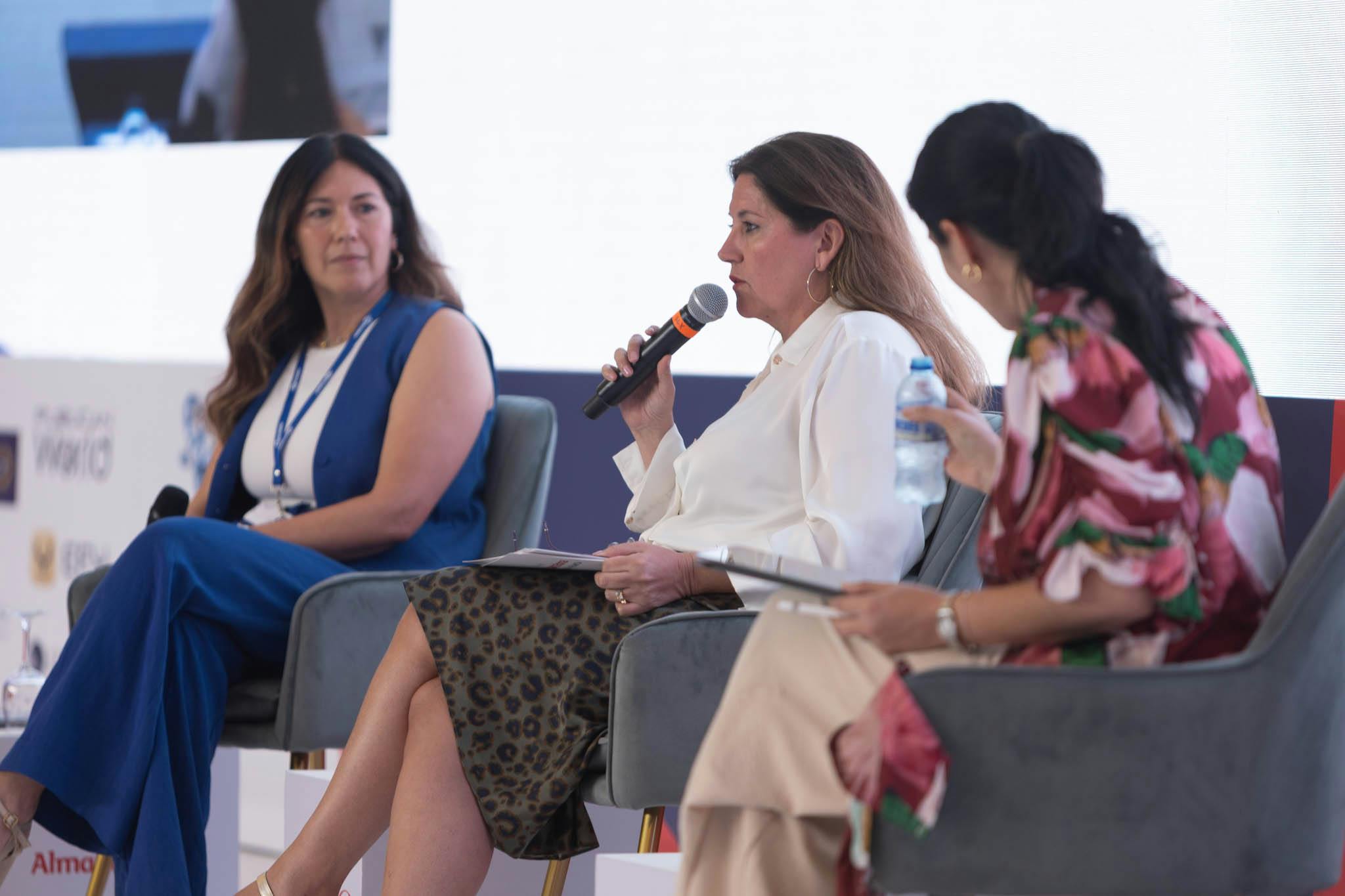
From left to right: Mrs Carolina Iturra, Logistics Manager, Region V, Coca-Cola (Chile); Mrs Blanca Sorigué, General Director, Barcelona Free Trade Zone Consortium and SIL (Spain); and Mrs Erika Peña Santoyo, Gender Fair & Sustainable Supply Chains Wing G100 (Colombia).
The panel - featuring Mrs Carolina Iturra, Logistics Manager, Region V, Coca-Cola (Chile); Mrs Blanca Sorigué, General Director, Barcelona Free Trade Zone Consortium and SIL (Spain); and Mrs Erika Peña Santoyo, Gender Fair & Sustainable Supply Chains Wing G100 (Colombia) - explored how diversity, inclusion, and innovation are becoming strategic drivers of competitive advantage in logistics and international trade. Speakers highlighted that organisations fostering inclusive environments - bringing together varied profiles, genders, cultures, and experiences - enhance adaptability, improve decision-making, and respond more effectively to complex, dynamic operational challenges.
The discussion also emphasised the link between inclusion, diversity, and innovation, noting that diverse teams boost creativity, accelerate technology adoption, and optimise processes across supply chains. Innovation, it was stressed, extends beyond technology to encompass new leadership models, collaborative working approaches, and organisational cultures that prioritise equitable participation and talent development.
Secure Free Trade Zones – Between Trade Facilitation and the Fight Against Illicit Trade
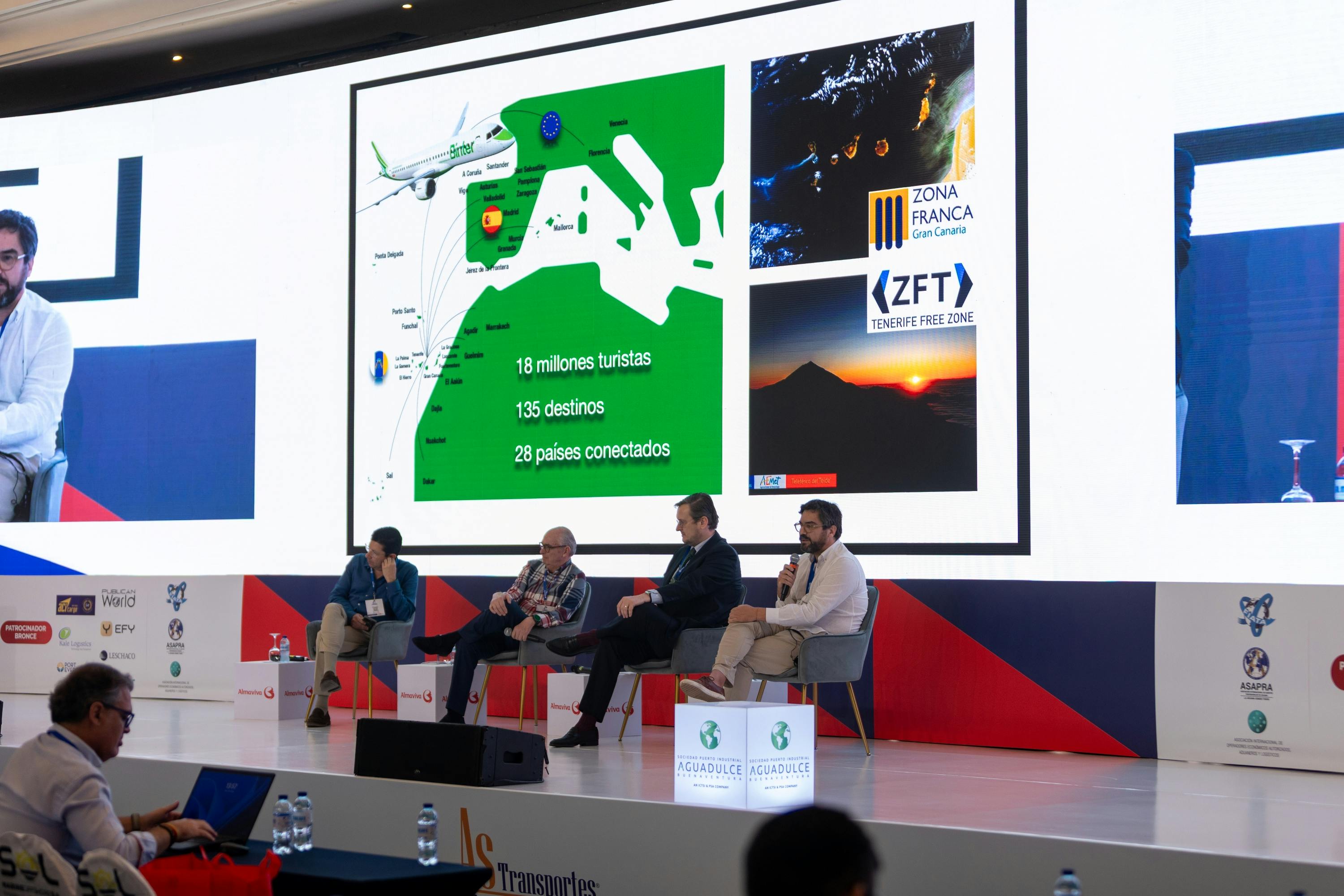
From left to right: Mr Diego Francisco Vargas Triana, General Manager of the Bogotá Free Trade Zone Group (Colombia); Mr Martín Gustavo Ibarra, President, Araújo Ibarra International Advisors (Colombia); Mr Piotr Stryszowski, Head of Unit Countering Illicit Trade, OECD; and Mr Manuel Fernando Martínez Álvarez, Special State Delegate, Tenerife Free Trade Zone (Spain).
The panel - featuring Mr Diego Francisco Vargas Triana, General Manager of the Bogotá Free Trade Zone Group (Colombia); Mr Piotr Stryszowski, Head of Unit Countering Illicit Trade, OECD; and Mr Manuel Fernando Martínez Álvarez, Special State Delegate, Tenerife Free Trade Zone (Spain); moderated by Mr Martín Gustavo Ibarra, President, Araújo Ibarra International Advisors (Colombia) - examined the evolution of free trade zones toward a governance model that strengthens security, sustainability, and the legitimacy of international trade. Discussions highlighted the need to modernise these regimes, ensuring they meet higher standards of control, transparency, and regulatory compliance, while continuing to attract investment, create jobs, and facilitate trade.
Speakers emphasised that developing secure and sustainable free zones requires coordinated governance involving authorities, operators, and users, supported by risk management, process digitalisation, and inter-institutional cooperation. The discussion also underlined the importance of advanced traceability, intelligent customs controls, and adherence to international best practices to prevent misuse, while maintaining efficient, agile, and competitive operations.
The Role of Cooperation Organisations in Trade Facilitation – Successful Experiences
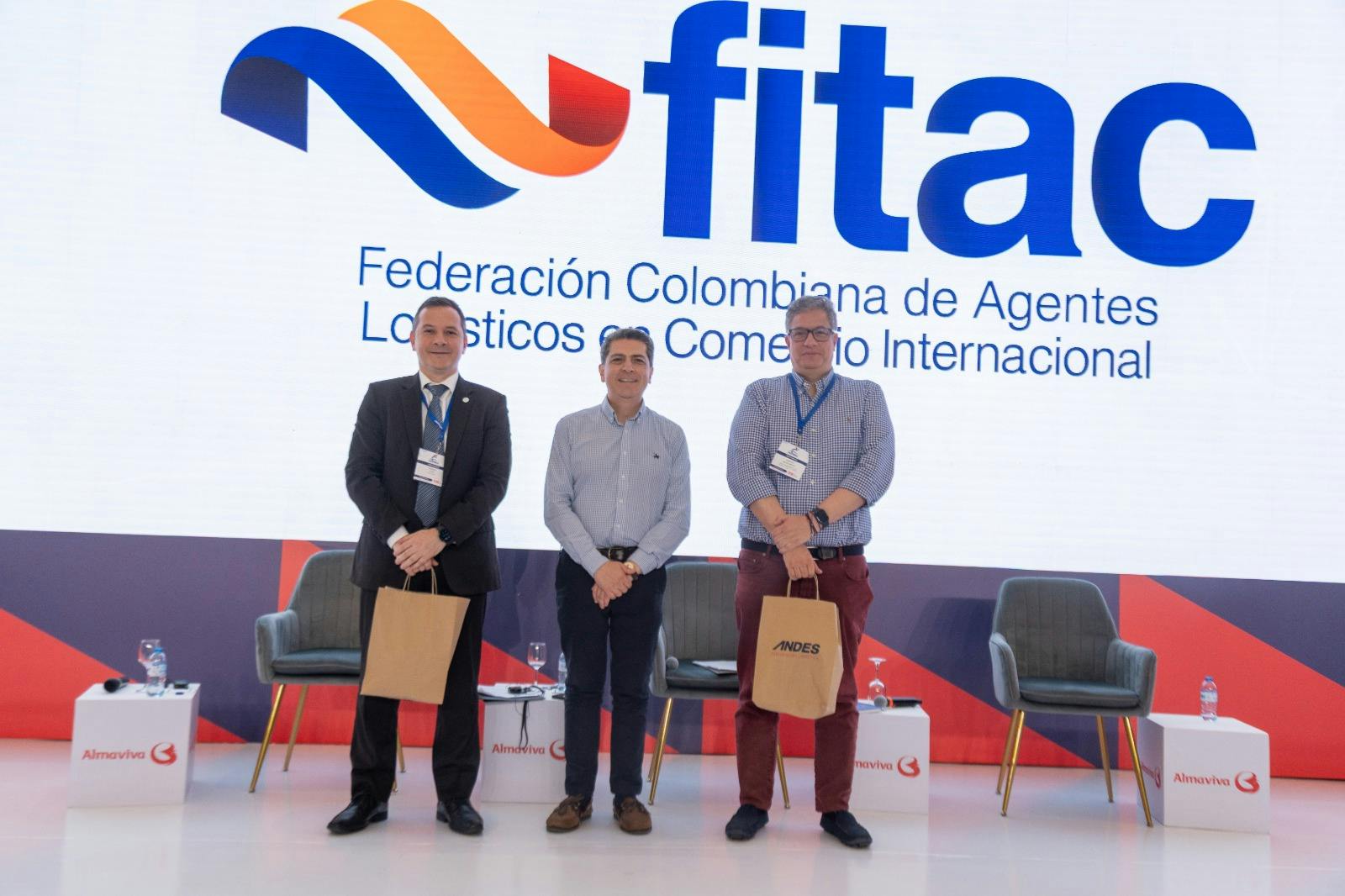
From left to right: Mr Eduardo Leite, Regional Rapporteur for Latin America and the Caribbean at the United Nations Centre for Trade Facilitation and Electronic Business (UN/CEFACT) (Brazil); Mr Miguel Espinosa, FIATA RAMS Chair and FITAC Executive President; and Mr Santiago Rojas Arroyo, Regional Manager for the Northern Region and Representative in Peru, Development Bank of Latin America and the Caribbean (CAF).
The panel - featuring Mr Eduardo Leite, Regional Rapporteur for Latin America and the Caribbean at the United Nations Centre for Trade Facilitation and Electronic Business (UN/CEFACT) (Brazil); and Mr Santiago Rojas Arroyo, Regional Manager for the Northern Region and Representative in Peru, Development Bank of Latin America and the Caribbean (CAF); moderated by Mr Miguel Espinosa, FIATA RAMS Chair and FITAC Executive President - highlighted international synergies as a strategic pillar for strengthening global trade facilitation amid increasingly interdependent supply chains, rising regulatory demands, and economic, geopolitical, and technological disruptions. Speakers stressed that cooperation among multilateral organisations, governments, customs authorities, and the private sector is essential to reduce frictions, simplify procedures, and ensure safer, more predictable trade.
Trade facilitation, the panel noted, cannot be addressed solely from a national perspective. Robust regional and international frameworks are needed to harmonise regulations, standardise processes, and adopt common approaches to information exchange. International standards, technical recommendations, and multilateral instruments were emphasised as key enablers of interoperability, particularly in areas such as electronic documentation, single-window systems, and cross-border e-commerce.
The discussion also highlighted the role of international institutions in capacity building, financing strategic projects, and transferring knowledge to developing countries. These synergies help close gaps in infrastructure, digitalisation, and institutional management, supporting more efficient, competitive, and sustainable integration into global value chains. Technical and financial cooperation was identified as essential for ensuring that trade facilitation reforms deliver measurable and lasting impact.
The panel concluded that strengthening global trade facilitation requires a long-term, collaborative vision built on trust, coordination, and commitment among stakeholders. International synergies not only enhance operational efficiency and reduce costs but also foster inclusive and resilient trade aligned with the Sustainable Development Goals, consolidating trade facilitation as a cornerstone of global economic growth.
Risk Management Strategies in an Uncertain Environment
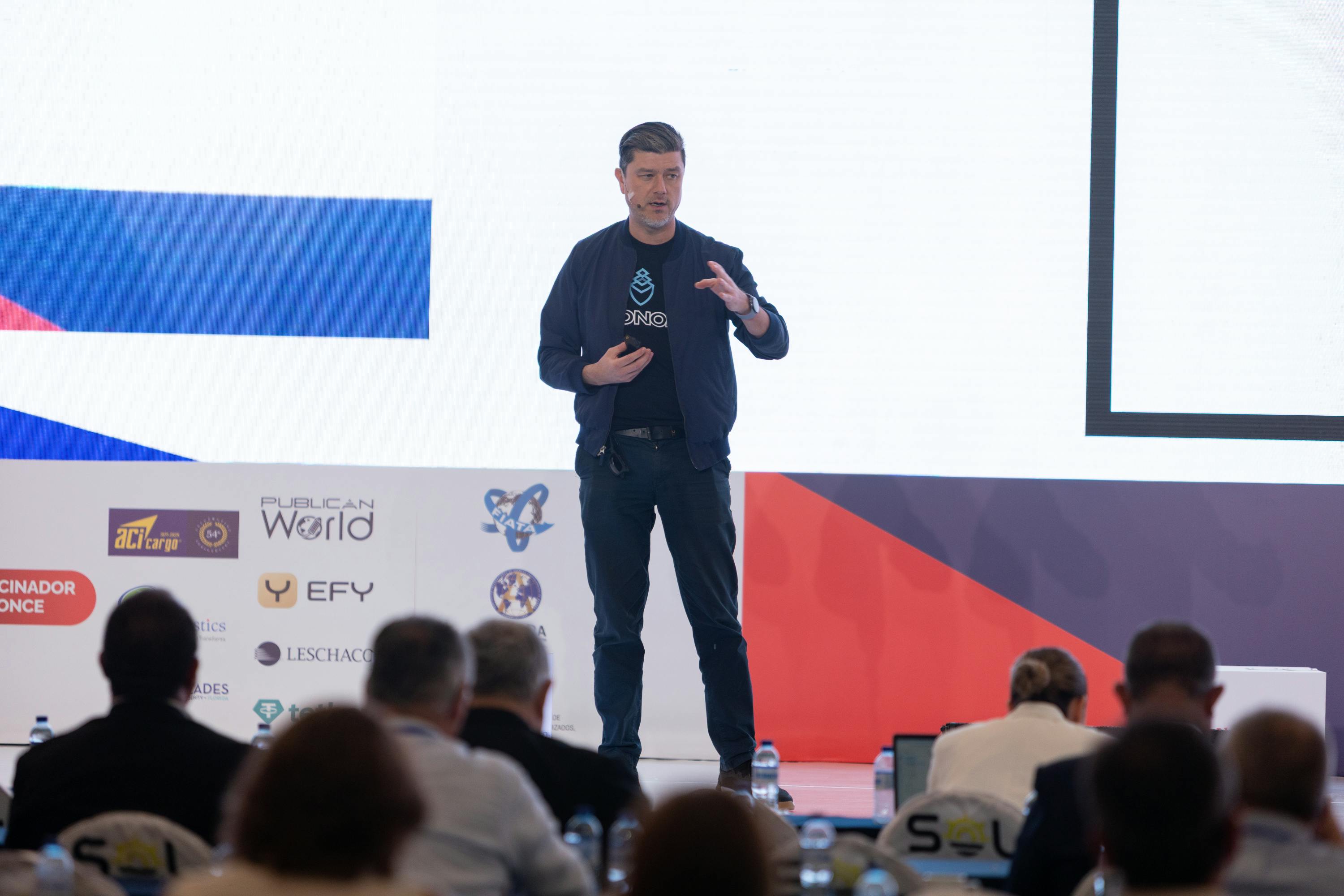
Mr Yann Barbarroux, CEO and Founder in OTONOMI.
The presentation by Mr Yann Barbarroux, CEO and Founder in OTONOMI highlighted risk management as a strategic cornerstone for the sustainability and competitiveness of supply chains in an increasingly uncertain global environment. Speakers examined how geopolitical volatility, logistics disruptions, climate risks, cybersecurity threats, and regulatory changes have heightened exposure for international trade actors, making structured, preventive, and data-driven decision-making essential.
Mr Barbarroux emphasised the shift from reactive approaches toward comprehensive risk management frameworks, incorporating early identification, impact assessment, prioritisation, and mitigation planning. Tools such as advanced analytics, artificial intelligence, real-time monitoring, and scenario planning were identified as vital for anticipating disruptions and enhancing operational resilience. Embedding risk management into corporate strategy and logistics processes was presented as a key differentiator for ensuring business continuity.
He concluded that effective risk management requires coordination across internal functions, collaboration with supply chain partners, and alignment with international best practices. This approach not only reduces vulnerabilities but also turns risk into a strategic opportunity, strengthening adaptability, stakeholder trust, and competitiveness in international trade.
Unlocking the Country’s Potential
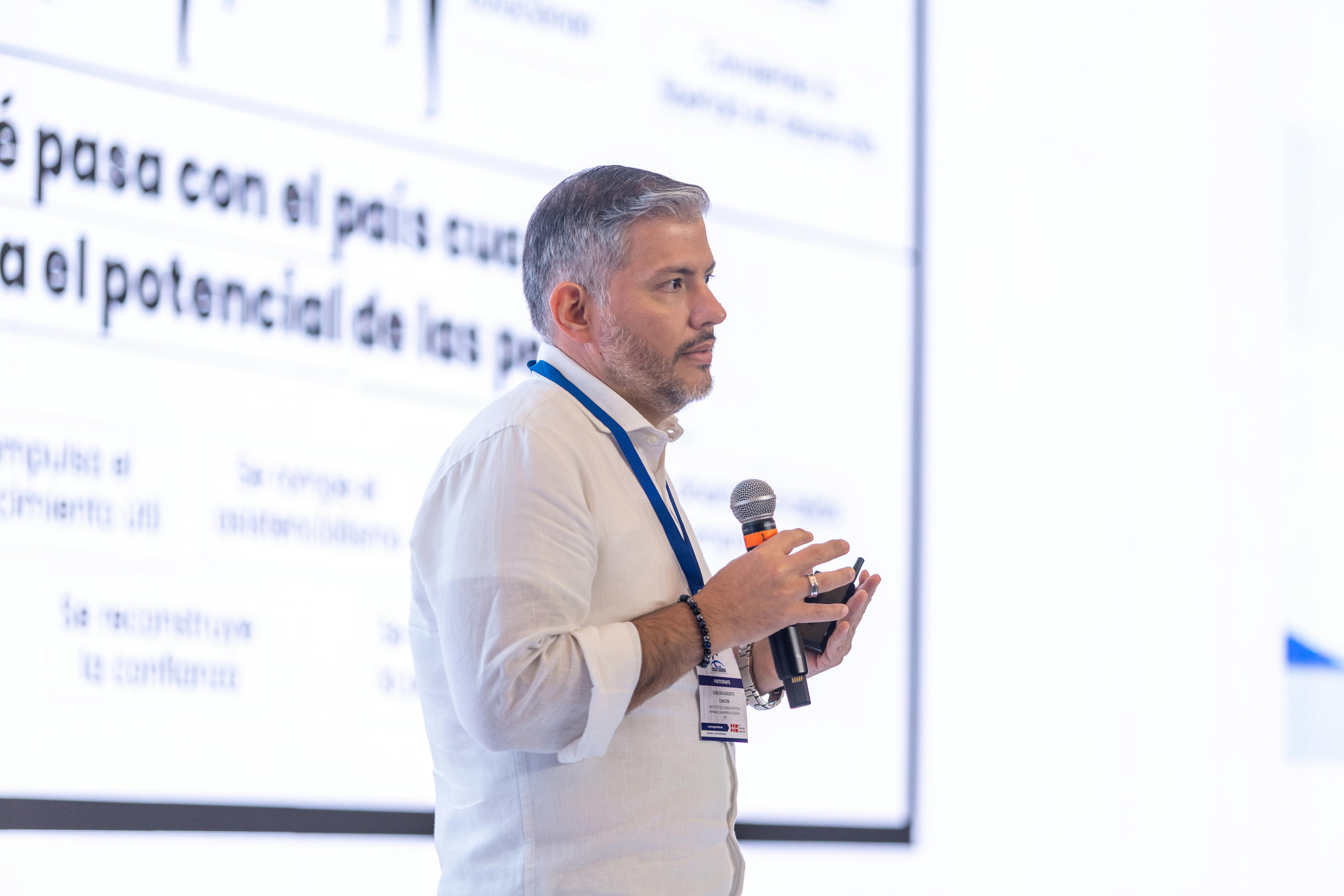
Mr Carlos Augusto Chacón, Executive Director for the Colombian Institute of Politics.
The presentation by Mr Carlos Augusto Chacón, Executive Director for the Colombian Institute of Politics. examined how to unlock the territory’s potential by strengthening structural factors that directly influence competitiveness, economic growth, and integration into international trade. It highlighted the importance of a long-term strategic vision that aligns public policies, infrastructure investment, logistics development, institutional modernisation, and the effective use of human capital as central drivers of sustainable development.
Mr Chacón underlined that realising this potential depends on closing gaps in productivity, connectivity, and trade facilitation through reforms that improve the regulatory environment, encourage innovation, and reinforce trust between the public and private sectors. The role of logistics, customs, and digitalisation was emphasised as essential to energising foreign trade, attracting investment, and enhancing the international competitiveness of national companies.
Key Regulatory and Operational Updates from the FIATA Working Group Sea
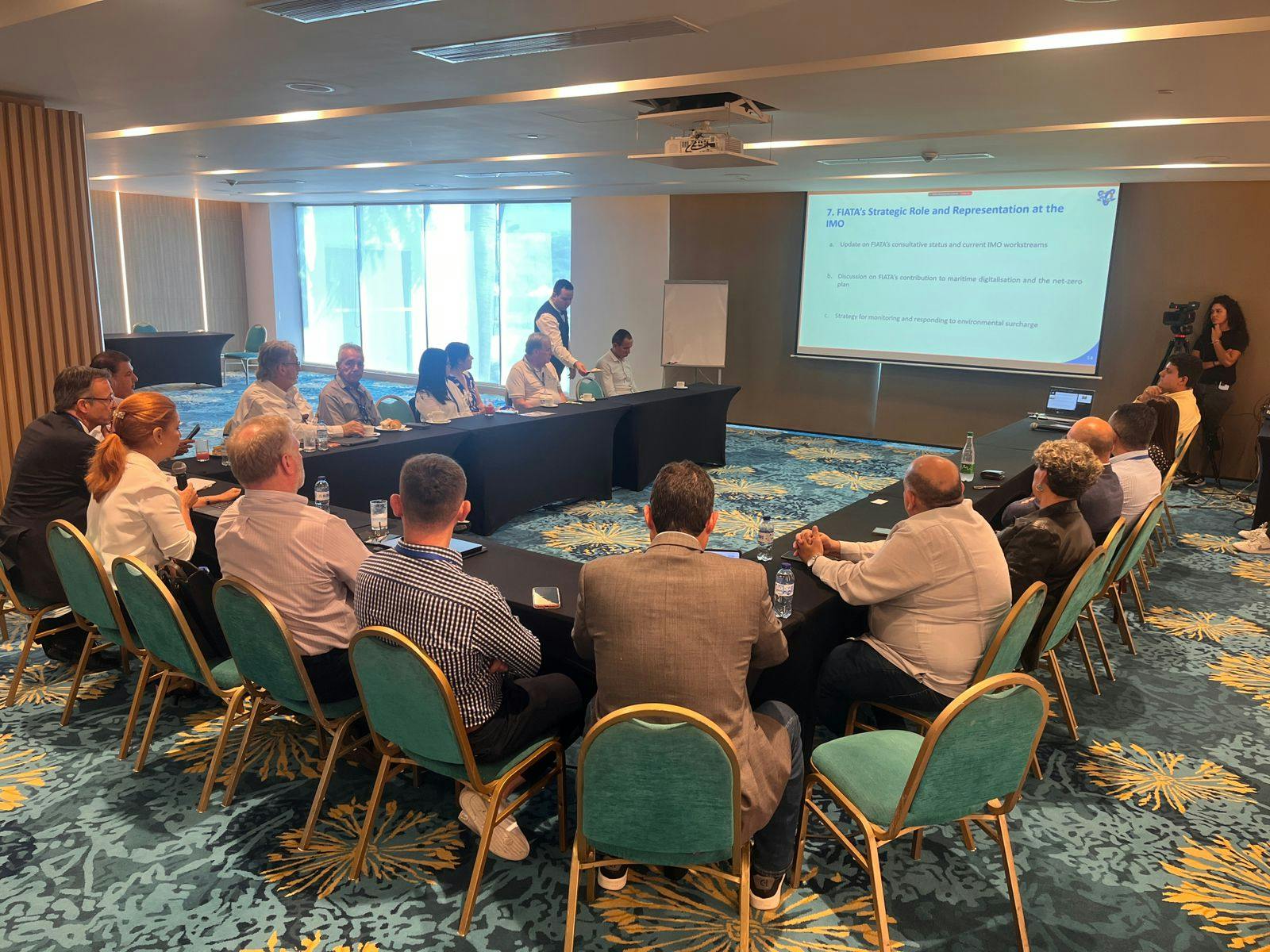
The FIATA Working Group Sea Meeting, Chaired by Mrs Barbara Hiebendahl, also took place alongside the event, addressing selected regulatory and operational matters relevant to sea freight forwarding. Participants received an update on the implementation of the European Union’s Import Control System 2 (ICS2) Release 3 regulation, impacting the maritime sector, including the status of FIATA’s work on a model bilateral agreement on multiple filing arrangements and practical compliance considerations.
FIATA, having received full consultative status at the International Maritime Organization (IMO), discussed its ongoing participation in IMO workstreams, particularly in relation to digitalisation, environmental matters, and safety-related issues. Operational issues affecting Members, including demurrage and detention, contracting practices and documentation requirements, were reviewed and joint actions were agreed to address them.
Delegates shared regional experiences regarding surcharges, container guarantees, terminal constraints and rollovers, highlighting the value of exchanging practical examples to support future guidance, communication and coordinated engagement across regions.
FIATA Session for Leaders of Region Americas Associations Addressing Regional Challenges Ahead
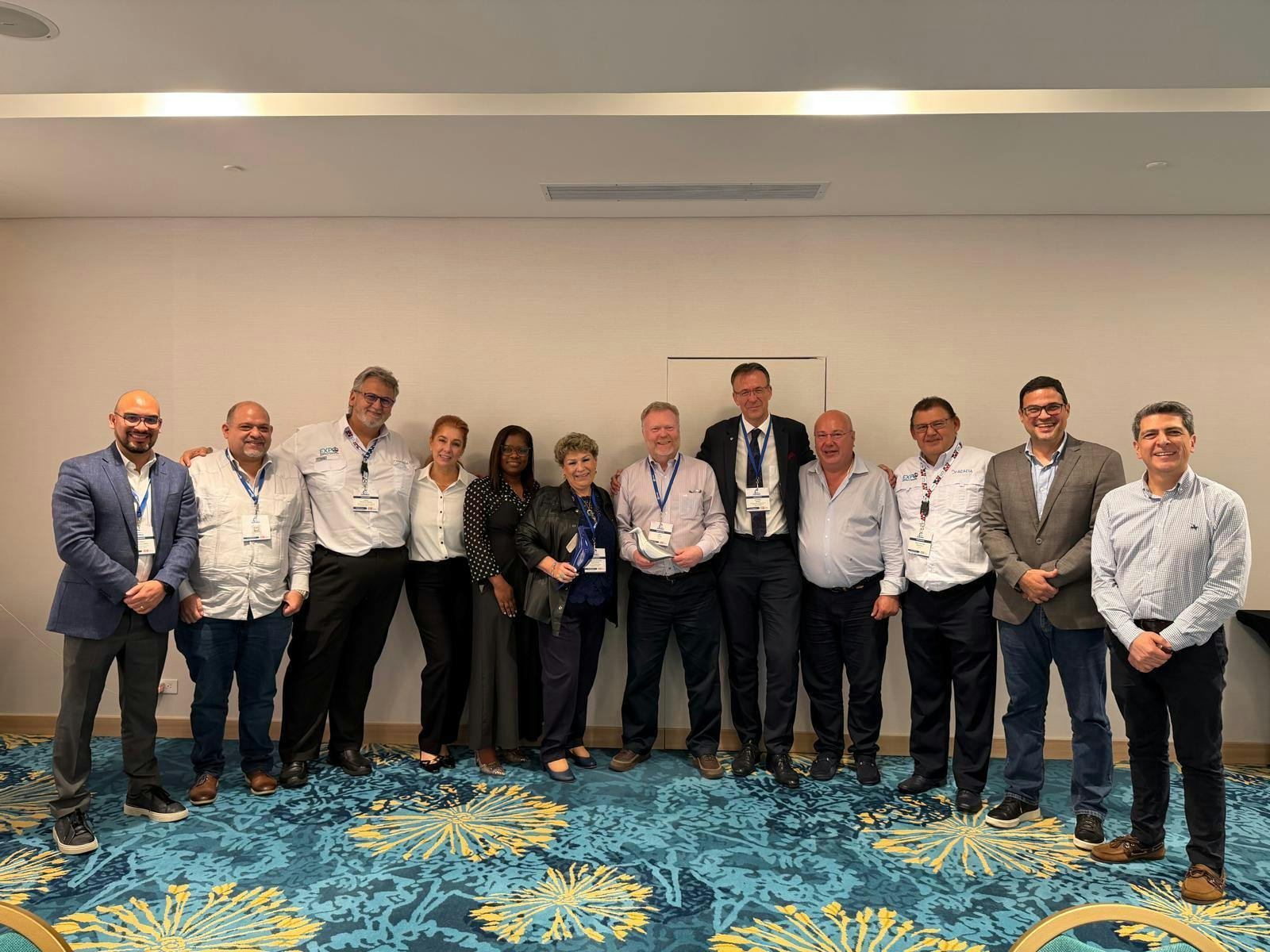
On Friday, 6 December, FIATA Association Members’ Presidents and Executive Presidents in the Region Americas (RAMS) gathered for a closed, invitation-only, high-level session to review the Federation’s strategic priorities for 2026. Chaired by FIATA Presidency member, Mr Neil Taylor, and supported by the FIATA Director General, Dr Stéphane Graber, the meeting brought together leaders from across Latin America, including representatives from Chile, Colombia, Costa Rica, Honduras, Panama, and Mexico.
Set against a backdrop of profound transformation in the regional logistics landscape, including rapid digitalisation, enhanced multimodal connectivity, customs modernisation, the development of key corridors, and the growing need for harmonised global standards, the session focused on the principal challenges facing the region and how FIATA can best support efforts to address them. Participants also examined ways for FIATA to strengthen its role as a technical actor, generate high-value synergies with multilateral organisations, and reinforce the Federation’s institutional footprint throughout the Americas.
To advance this effort, participants reviewed a monitoring matrix with key performance indicators designed to assess regional implementation of international standards, digitalisation, education, sustainability, safety, and corridor governance. In preparation for the FIATA HQ Meeting in Geneva from 30 March to 3 April, Association Members will be invited to complete this matrix to inform the development of a relevant and measurable regional roadmap.
Several major events scheduled for 2026 will also serve as important platforms for strengthening cooperation, deepening regional engagement, and advancing a shared RAMS logistics agenda aligned with FIATA’s long term vision. These include the Expo Supply Chain 2026 in Costa Rica, the 2026 FIATA-RAMS Field Meeting in Toronto, Canada and the FIC 2026 in Colombia.
Beyond strategic planning, the session served as a pivotal moment to confront past challenges and reaffirm unity within FIATA. In this candid and constructive setting, Asociacion Mexicana de Agentes de Carga (AMACARGA) highlighted its deep respect for Mr Neil Taylor's unwavering professionalism, integrity, and steadfast leadership as FIATA Treasurer, recognising the dedication and care he brings to upholding the Federation’s values. AMACARGA reaffirmed its full confidence in FIATA’s institutional processes and expressed a renewed commitment to fostering a transparent, respectful, and forward-looking relationship with FIATA’s leadership.
To honour this meaningful moment - fully aligned with FIATA’s values of collegiality and mutual respect - FITAC presented a gift to both parties. This gesture underscored the renewed commitment to harmony and reinforced the sense of unity among FIATA Association Members across the Americas.
This private session marks a significant milestone, strengthening trust and laying the foundation for an even more cohesive and forward looking collaboration within the FIATA community. It underscores the collective determination to accelerate logistics development across the region, driven by FIATA’s freight forwarder Members, the true Architects of Logistics.
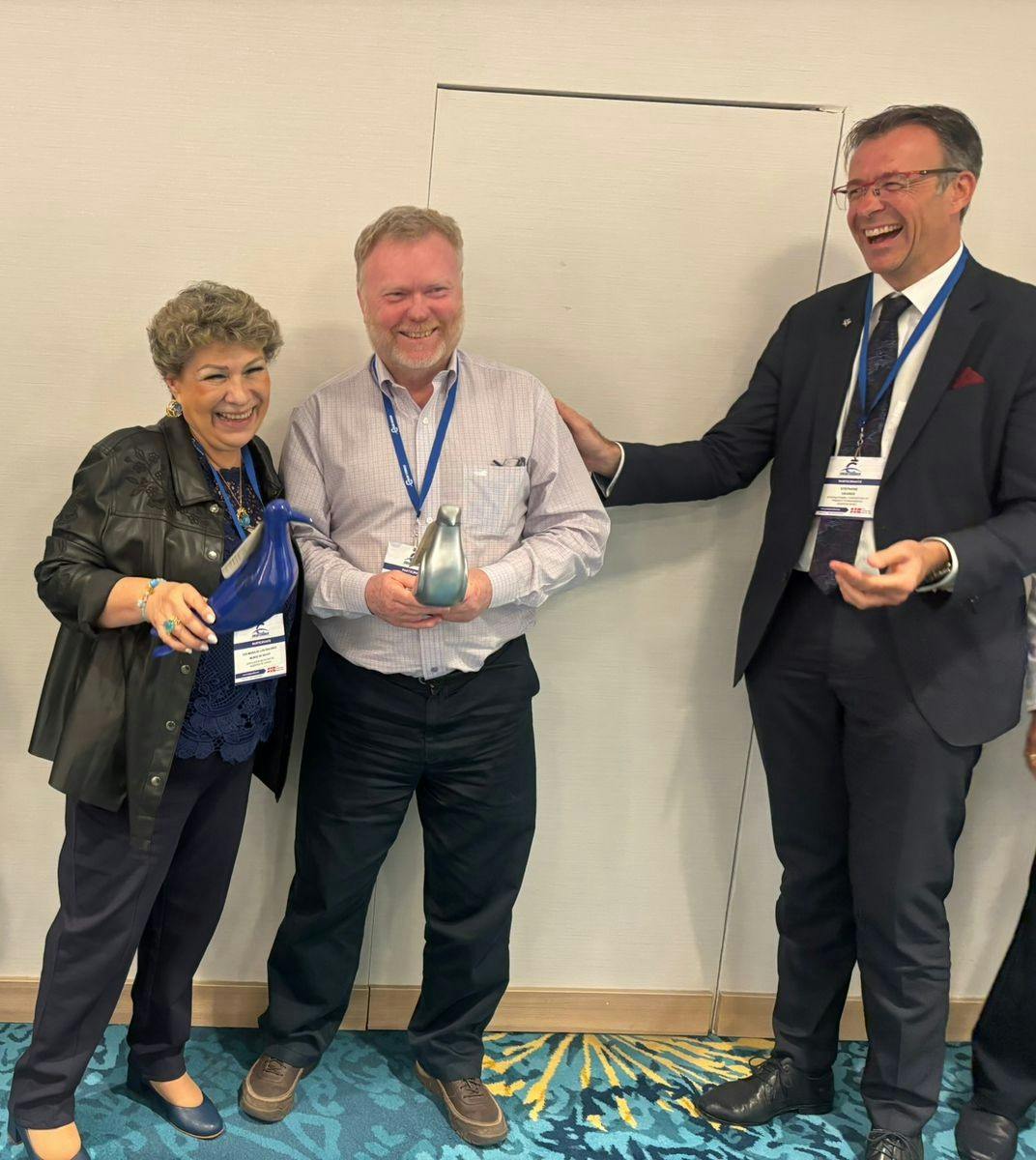
Mrs Eva María de los Dolores Muñoz Pineda, Asociacion Mexicana de Agentes de Carga (AMACARGA) President; Mr Neil Taylor, FIATA Treasurer; and Dr Stéphane Graber, FIATA Director General.
2026 FIATA HQ Meeting: Early Bird available until 31 December 2025
Building on the moment gained in 2025, register now to attend the 2026 FIATA HQ Meeting, taking place from 30 March to 2 April 2026 in Geneva, Switzerland. The annual gathering will once again adopt the workshop format, following the strong engagement and productive outcomes achieved in recent editions. This approach creates a structured environment for FIATA delegates and supply chain partners to work jointly on practical solutions to emerging challenges, exchange expertise and contribute to the development of resources that benefit the global freight forwarding community. The 2026 FIATA HQ Meeting promises an engaging and collaborative environment for advancing shared priorities and strengthening the collaboration with Association Members worldwide.
The Meeting will open with a Welcome Reception on Monday, 30 March, and feature an Italian Cultural Night on Wednesday, 1 April, as a prelude to the 2026 FIATA World Congress, celebrating FIATA's centenary in Milan, taking place 6-9 October 2026.
Contribution fees range from CHF 320 to CHF 440 depending on the selected registration category, with payment completed by credit card within the registration system. Early Bird rates will apply for all registrations submitted before 16 January 2026.
Visitors to Geneva are invited to explore Switzerland’s remarkable scenery and cultural highlights through a range of optional tours available via the official Swiss Tours website. Accompanying persons may also take advantage of these experiences. Discounted accommodation options have been arranged for attendees, with the possibility of booking directly through the registration platform.
Participants requiring a visa are encouraged to begin preparations early, given that visa processing for Switzerland or the Schengen area may take up to two to three months, on average. Visa letters will be issued only upon receipt of payment and cannot be refunded. The final date for issuing visa letters is Friday, 27 February 2026.
Further updates on the programme, speakers and session details will be shared in due course.
For more information on accommodation and sightseeing opportunities, click here.
Register now for the 2026 FIATA HQ Meeting!
Click here to view the detailed programme
Upcoming FIATA Events
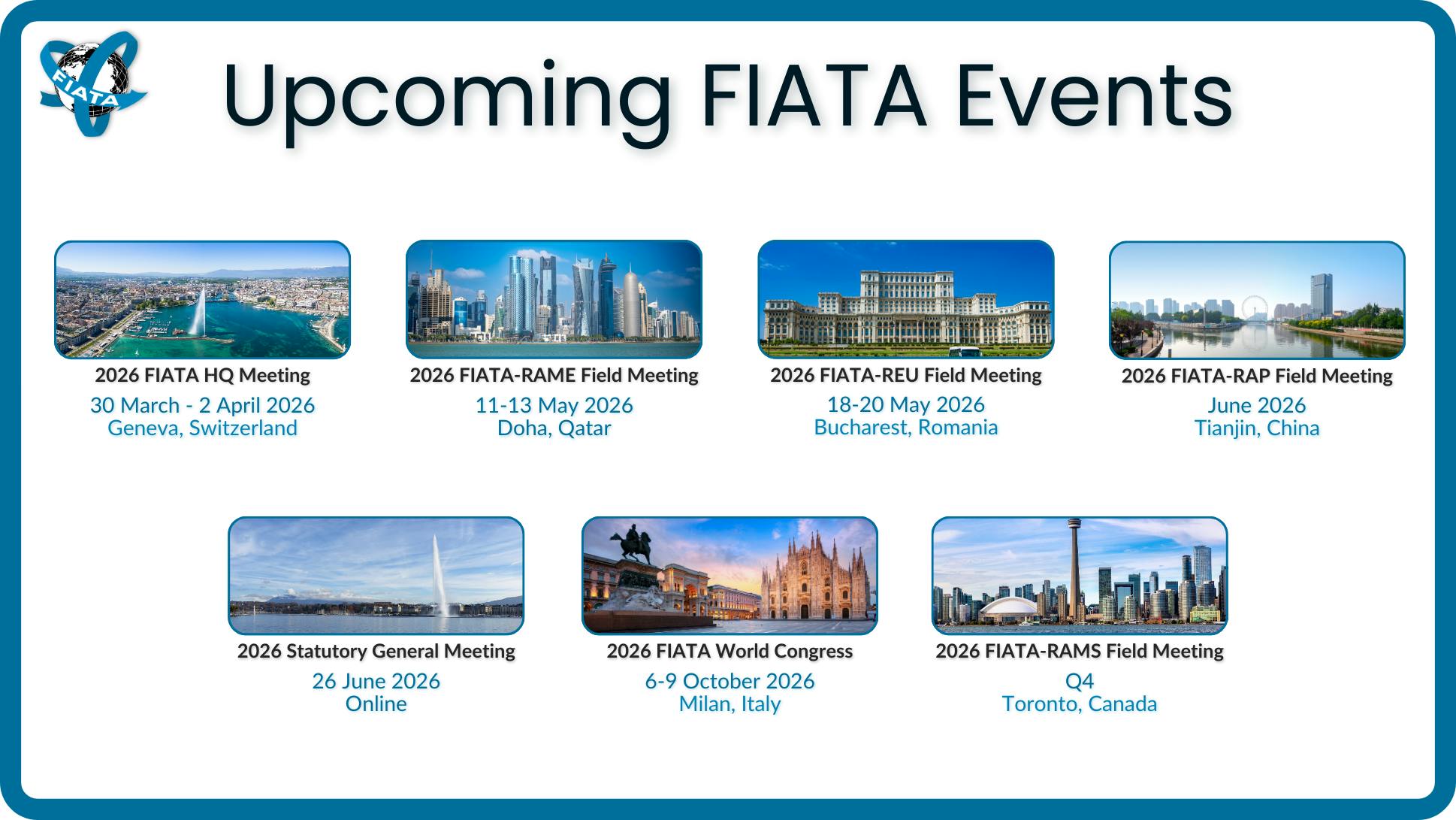
- 2026 FIATA HQ Meeting, Geneva, Switzerland: 30 March - 2 April 2026
- 2026 FIATA-Region Africa and the Middle East Field Meeting, Doha, Qatar: 11-13 May 2026
- 2026 FIATA-Region Europe Field Meeting, Bucharest, Romania: 18-20 May 2026
- 2026 FIATA-Region Asia-Pacific Field Meeting, Tianjin, China: June 2026
- 2026 Statutory General Meeting, Online: 26 June 2026
- 2026 FIATA World Congress, Milan, Italy: 6-9 October 2026
- 2026 FIATA-Region Americas Field Meeting, Toronto, Canada: Q4