FIATA Leadership in Action Across Global Events

Sustainability: Driving Transformation Through Partnerships and Innovation
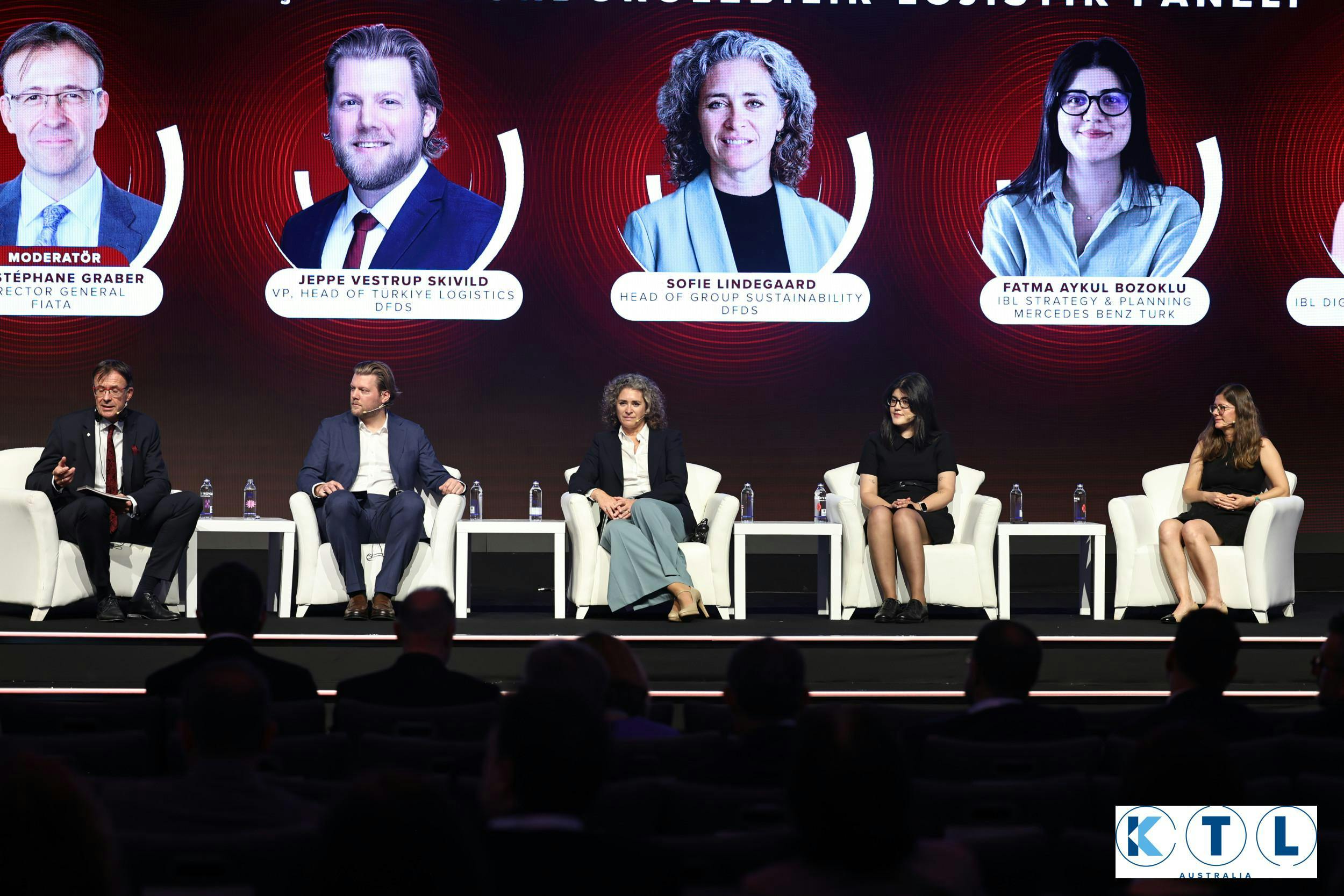
From left to right: Dr Stéphane Graber, FIATA Director General; Jeppe Vestrup Skivild, VIce-President, Head of Türkiye Logistics, DFDS; Sofie Lindegaard, Director, Head of Group Sustainability, DFDS; Fatma Aykul Bozoklu, IBL Strategy & Planning, Mercedes Benz Turk; and Havva Gulcin Ugur, IBL Digitalisation & Sustainability, Mercedes Benz Turk.
On 7 November FIATA participated in the Türkiye Logistics Summit 2025. The event was attended by close to 600 participants from the supply chain and logistics sector. FIATA was represented by FIATA Immediate Past President, Turgut Erkeskin, FIATA Director General, Dr Stéphane Graber and FIATA Honorary Member of the Board and FIATA Past President, Dr Ivan Petrov.
Turgut Erkeskin and Dr Ivan Petrov shared opening remarks alongside Bilgehan Engin, UTIKAD President; Durmuş Ünüvar, Deputy Minister of Transport and Infrastructure of the Republic of Türkiye; Selçuk Gençaslan, Turkish Airlines Cargo Marketing President; Tamer Kıran, İMEAK Chamber of Shipping Chair; and Başaran Bayrak, Turkish Exporters Assembly Logistics Board Chair.
Dr Ivan Petrov highlighted Istanbul’s role as a global meeting point for passengers and freight alike. He addressed current challenges for freight forwarding companies and outlined a forward-looking strategy emphasising digitalisation with the digital Negotiable FIATA Multimodal Transport Bill of Lading (eFBL) as a secure multimodal transport document, alongside multimodal and intermodal solutions.
Turgut Erkeskin was also a panellist in the session "Railways in Intermodal Transport and the Strategic Role of the Middle Corridor" alongside Mehmet Yavuz Gungor, Project Manager of the Presidential Investment and Finance Office; Serdar Yaylalı, General Manager, Metrans Istanbul; Zeki Demirağ, Trade and Customer Relations Director, Arkas Holding Port and Terminal Operations Group; and moderated by Prof. Dr. Erkut Akkartal, Logistics Management Department Head, Yeditepe University.
Mr Erkeskin highlighted the corridor as a strategic route addressing global supply chains’ needs for security, sustainability, and diversification. He emphasised the importance of integrated infrastructure, institutional cooperation, and public–private partnerships, alongside digital tools like FIATA’s eFBL, to strengthen intermodal connectivity.
Mr Erkeskin also noted Türkiye’s strategic location at the crossroads of Europe, Asia, and the Middle East, with its ports, developing railways, and hinterland access positioning the country as a potential regional intermodal hub shaping a sustainable, interconnected logistics future.
FIATA Director General, Dr Stéphane Graber, moderated a compelling panel titled "Green and Sustainable Logistics" emphasising how the logistics sector is actively advancing a sustainable future grounded in people, performance, and the planet.
The panel featuring Jeppe Vestrup Skivild, VIce-President, Head of Türkiye Logistics, DFDS; Sofie Lindegaard, Director, Head of Group Sustainability, DFDS; Fatma Aykul Bozoklu, IBL Strategy & Planning, Mercedes Benz Turk; and Havva Gulcin Ugur, IBL Digitalisation & Sustainability, Mercedes Benz Turk, shared insights on their transformation strategies, which focus on low-emission transport, electrified operations, and renewable energy.
The panel explored the challenges encountered, lessons learned, and the importance of staying open-minded and adaptable—taking a step-by-step approach to evolving processes and identify collaborative “sweet spots”. The discussion highlighted the role of sustainability and Environmental, Social, and Governance (ESG) goals in driving digitalisation and highlighted the need for data-driven Key Performance Indicators (KPIs) for implementing robust metrics to monitor and reduce CO₂ emissions throughout supply chains.
The panellists called on public authorities to support private sector investments through targeted incentive measures.
The session concluded with a consensus that strategic partnerships are vital to scaling sustainable solutions, exemplified by DFDS and Daimler Truck. Collaborative efforts involving partners, customers, suppliers, and colleagues are contributing to the development of a more sustainable logistics ecosystem, a crucial step in addressing the global challenge of climate change.
FIATA extends its gratitude to the panellists for their valuable insights and to UTIKAD for organising an inspiring discussion.
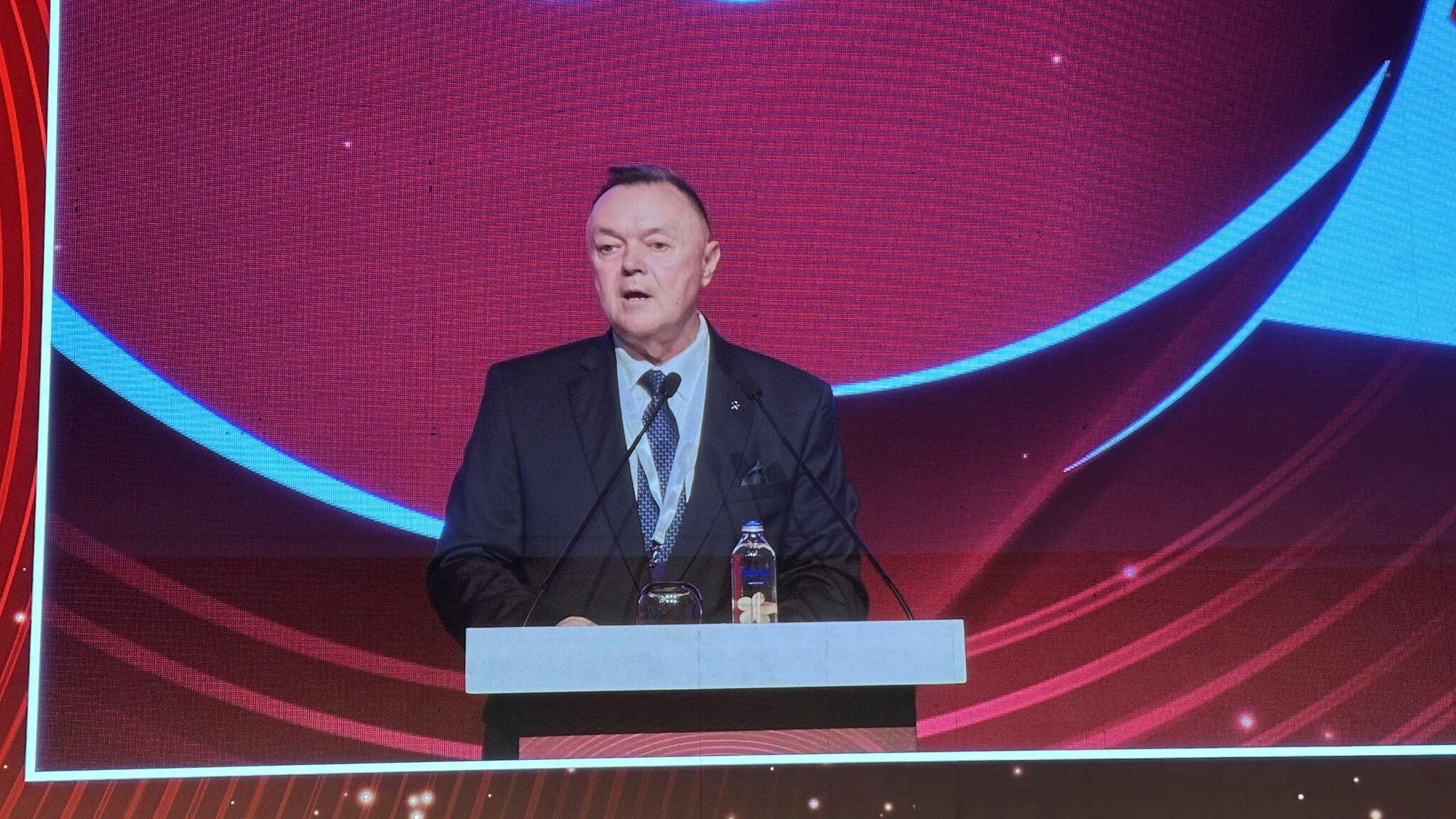
Air Freight: FIATA at the Gulf’s Strategic Cargo Hub
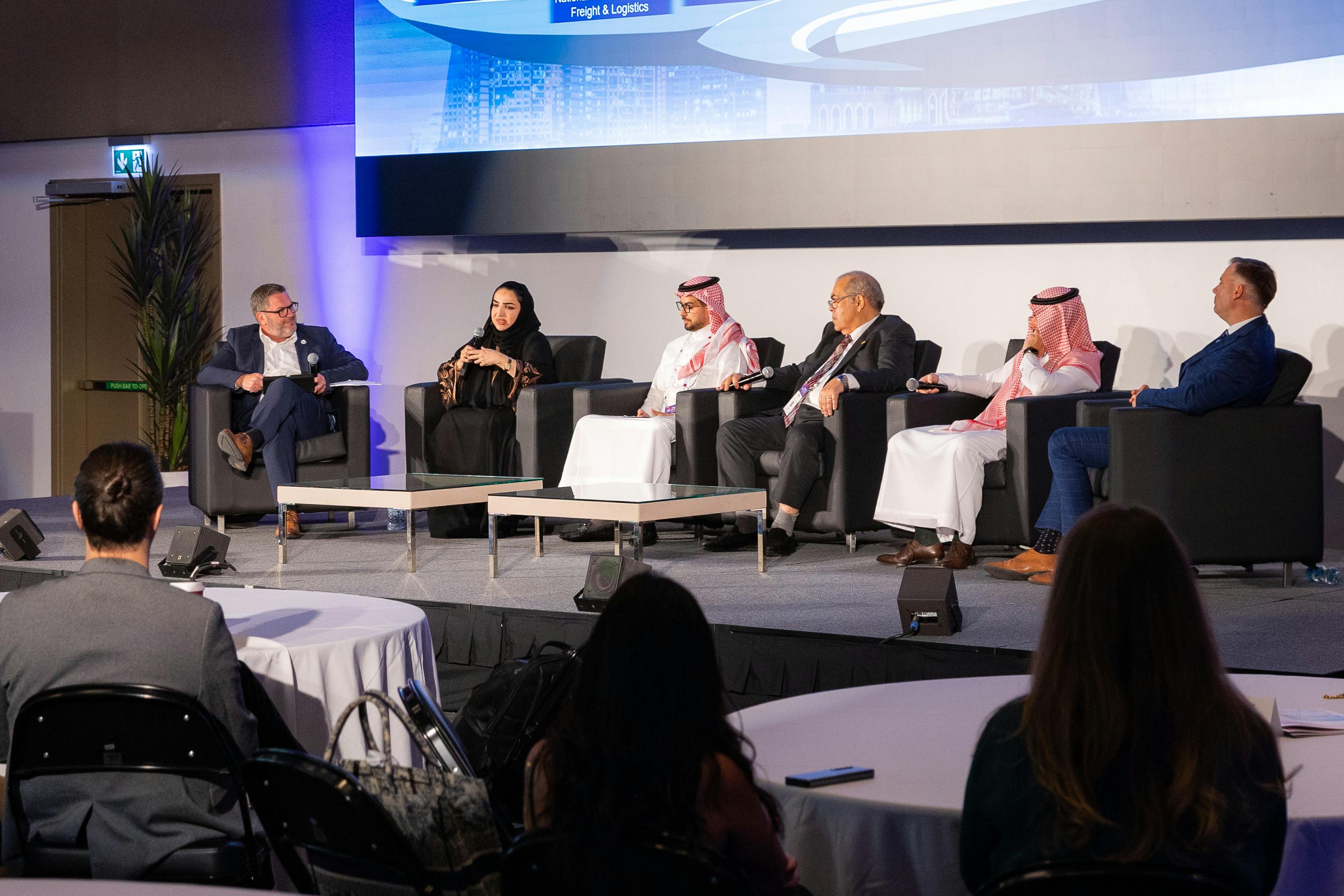
From left to right: Mr Steven Polmans, Chair, TIACA; Ms Nadia Abdul Aziz, NAFL President and FIATA Senior Vice-President; Mr Hashim Alsharif, Vice-President, Strategy and Business Development, Saudia Cargo; Mr Ahmed Salah, General Manager, Egypt Cargo Center; Mr Sami Albassam, Acting Vice-President, Airline & Cargo Partnerships, King Salman International Airport; and Guillaume Crozier, Chief Cargo Officer, dnata.
The International Air Cargo Association (TIACA) held its 2025 Air Cargo Forum from 3–6 November in Abu Dhabi. The event featured a full programme of panel discussions, keynote presentations and exhibitions on topics including digitalisation, mega-hubs, e-commerce, artificial intelligence and automation in the air cargo sector.
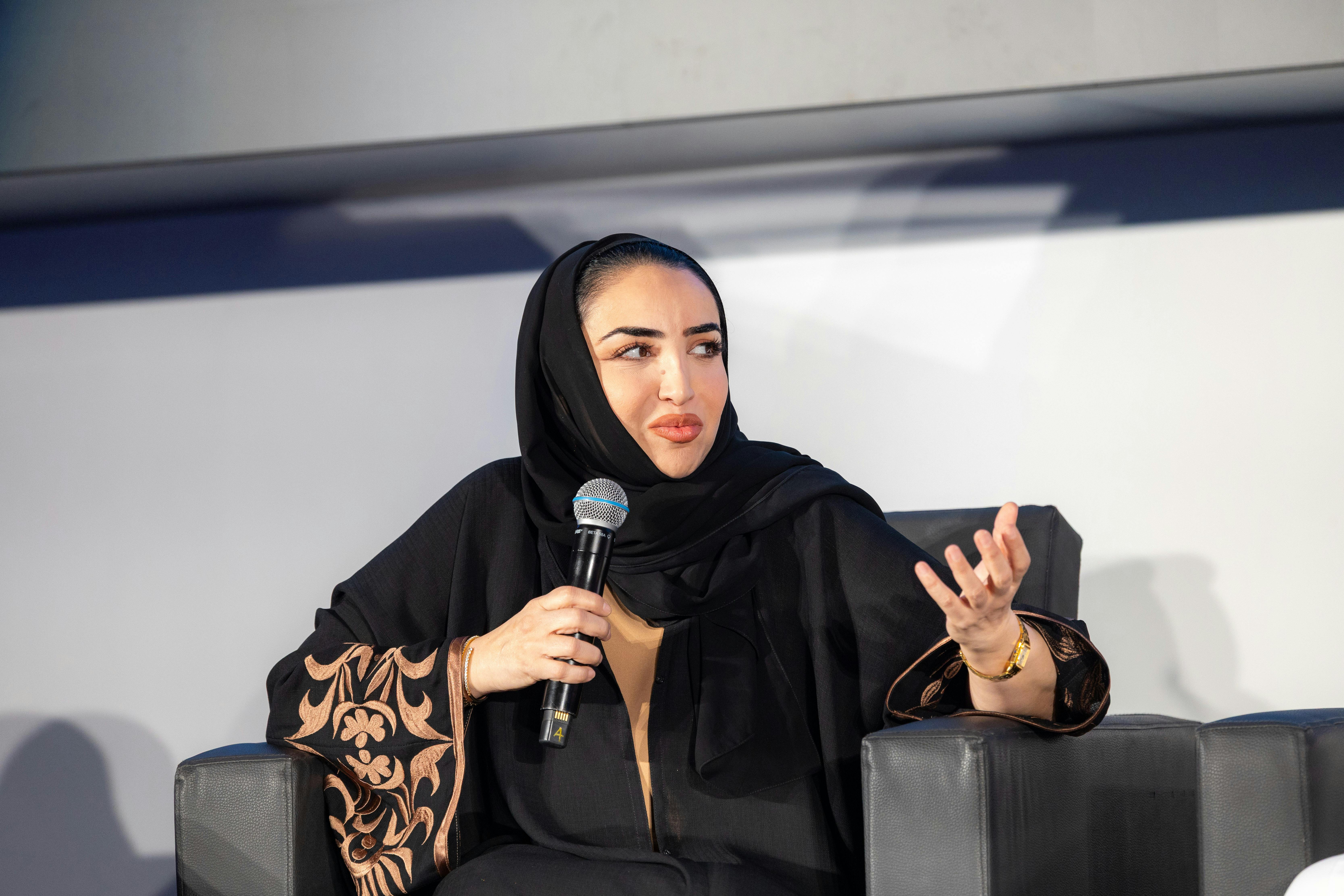
FIATA Senior Vice-President and President of National Association of Air Freight & Logistics (NAFL), Ms Nadia Abdul Aziz, took part in the panel "Middle East – Global Gateway". In her contribution she explored the Gulf region’s emergence as a strategic cargo hub, noting the Gulf Cooperation Council (GCC) states’ significant infrastructure investments, enhanced port connectivity across land, sea and air and growing leadership in freight forwarding and logistics.
The session showcased contributions from key regional actors: Mr Hashim Alsharif, Vice-President, Strategy and Business Development, Saudia Cargo; Mr Guillaume Crozier, Chief Cargo Officer, dnata; Mr Ahmed Salah, General Manager, Egypt Cargo Center; Mr Sami Albassam; Acting Vice-President, Airline & Cargo Partnerships; King Salman International Airport; and Mr Steven Polmans, TIACA Chair, reinforcing the panel’s theme of connectivity and regional integration.
Ms Abdul Aziz highlighted the UAE, Qatar and the Kingdom of Saudi Arabia’s efforts to leverage manufacturing diversification, investment, e-commerce growth, and high-value pharmaceutical and perishables logistics to transform from traditional import/export operations into major transit, transshipment, and forwarding hubs. She also emphasised the Gulf region’s emergence as a strategic cargo centre, underpinned by significant infrastructure investments, enhanced port connectivity across land, sea and air, and growing leadership in freight forwarding and logistics.
Key regional statistics reinforced the outlook: an estimated 65% of regional air cargo volumes flow through UAE, Qatar and KSA, and the Gulf region is becoming a critical link between Asia, the Gulf and Europe/Africa. The UAE’s Al Maktoum International Airport is planned to handle more than 12 million tonnes of air cargo and 260 million passengers in coming years, backed by a bonded logistics freezone, port connectivity and integrated infrastructure.
As infrastructure, digitalisation, and multimodal connectivity continue to advance, the Gulf is strengthening its role as a pivotal gateway in global logistics networks.
Air Freight: FIATA Leaders Engage at ACAAI’s 49th Annual Convention in Bali
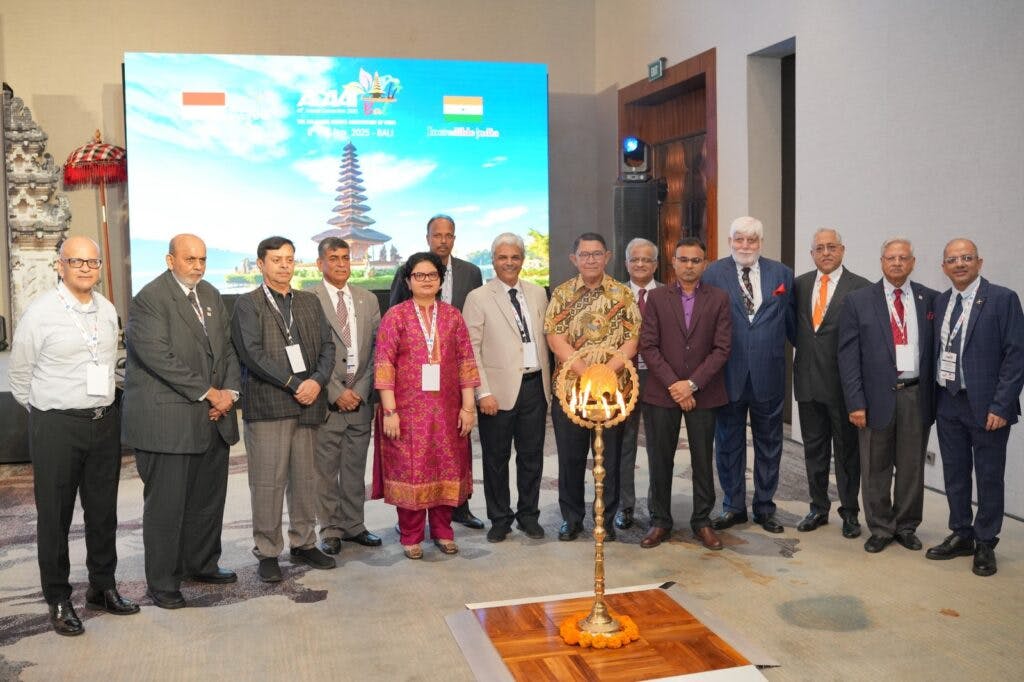
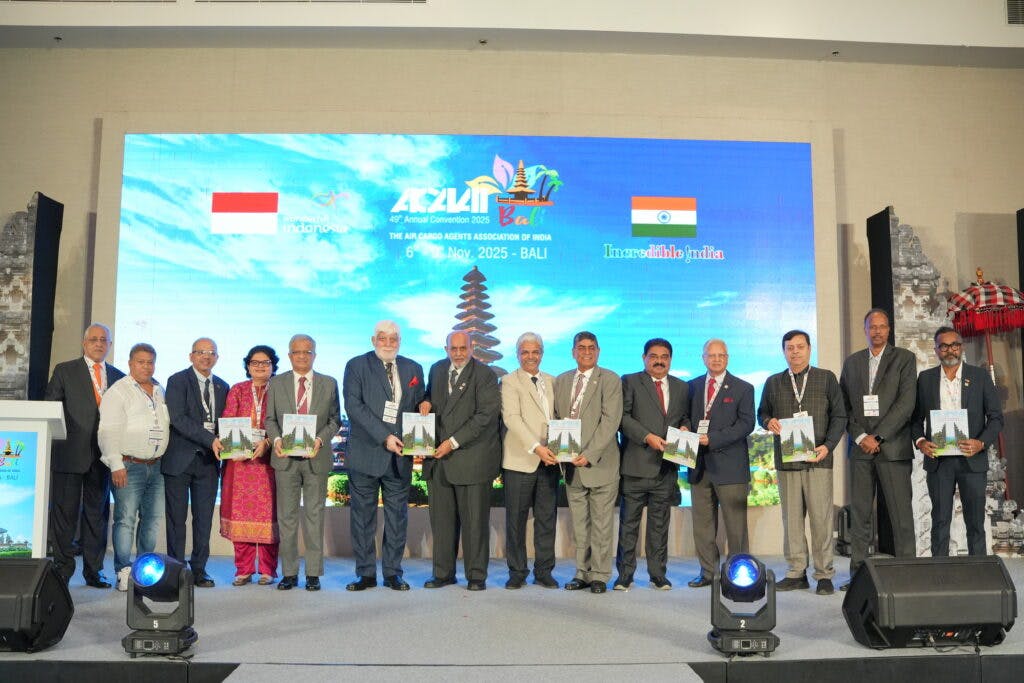
FIATA leadership took part in the 49th Annual Convention of the Air Cargo Agents Association of India (ACAAI), held from 6 to 9 November 2025 at the Renaissance Bali Uluwatu Resort & Spa, Indonesia. The event brought together prominent leaders and stakeholders from across the global air freight community to discuss current challenges and future opportunities for the sector.
FIATA was represented by its Secretary General and ACAAI Past President, Mr Keshav Tanna; Senior Vice-President, Mr Yukki Nugrahawan Hanafi; and Vice-President, Mr Tej Contractor, all of whom actively engaged with delegates and industry representatives during the convention. Their participation underscored FIATA’s close partnership with its Association Members and its continued efforts to promote collaboration, innovation, and capacity building in air freight.
The convention opened with a warm welcome from ACAAI Convention Chair, Mr Anil Vazirani, followed by a presidential address by ACAAI President and FIATA Region Asia-Pacific Vice-Chair, Mr Samir Shah. Serving as Chief Guest, Mr Lawlesh Kumar, Vice Consul General of India to Indonesia, highlighted the longstanding cultural and economic ties between the two nations. During the his opening remarks, FIATA Senior Vice-President, Mr Hanafi, noted "The freight forwarder is no longer just a transporter of goods, but are architects of trade. Our industry is transforming from being about movement to being about management of risks, information, and customer relationships. Despite barriers, our role is to make global trade smarter, cleaner, and more efficient. The real constraints also create opportunities to lead change".
The programme featured a keynote by Mr Girish Vanvari of Transaction Square LLP and Mr Utpal Almoula of KPMG, who provided valuable insights on the evolving air cargo landscape. Business sessions addressed Information and Technology, Safety and Security, Artificial Intelligence, Automation, and Compliance, complemented by an interactive Veterans’ Session that encouraged stakeholders from various Air Cargo verticals to discuss their challenges and the future of the air cargo industry as a whole.
The evenings offered opportunities for networking and fellowship through receptions hosted by industry sponsors, reinforcing ACAAI’s spirit of community and partnership.
Looking ahead, ACAAI announced that its 50th Convention in 2026 will continue to build on this strong momentum, advancing the collective goals of the air cargo and freight forwarding community.
FIATA congratulates ACAAI on a successful convention and remains committed to supporting its initiatives towards a more connected and resilient air freight sector.
Digitalisation and Integration: FIATA Strengthens Indonesia’s Logistics Ecosystem
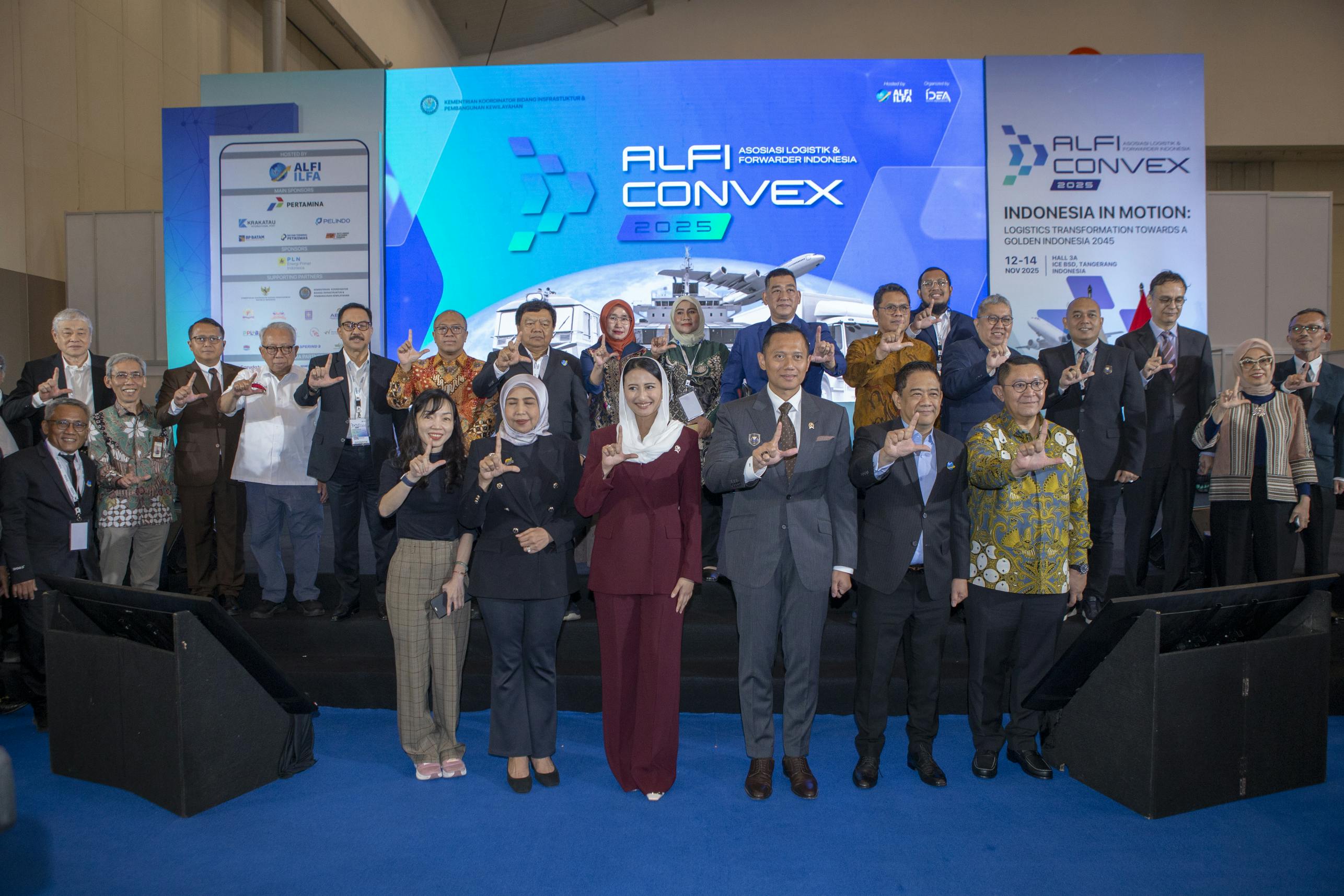
The Indonesian Logistics and Forwarders Association (ILFA) held its 2025 Convention and Exhibition (Convex) in Jakarta from 11–13 November 2025, welcoming over 4,000 logistics and freight forwarding professionals from 33 provinces across Indonesia. The event also featured an exhibition with more than 80 local and regional companies showcasing innovations and initiatives shaping Indonesia’s logistics sector.
A key highlight was the participation of FIATA Senior Vice-President, Mr Yukki Nugrahawan Hanafi, as a speaker on the “ASEAN Logistics Leaders Forum” panel. Alongside Mr Hanafi, panel featured Mr Adi Darma Shima, President Director of PT Interport Mandiri Utama; Mr Jaffee Arizon Suardin, Director of Logistics and Infrastructure, PT Pertamina (Persero); Mr Rakhmad Dewanto, President Director of PLN Energi Primer Indonesia; Mr Joko Noerhudha, President Director of PT Pelindo Solusi Logistik; and moderated by Mr Mahendra Rianto, Chair of the Indonesian Logistics Association. Mr Hanafi emphasised FIATA’s commitment to empowering Indonesia’s logistics ecosystem through enhanced integration, adoption of digital solutions, and standardisation of data across the supply chain.
Before the panel, Mr Agus Harimurti Yudhoyono,Coordinating Minister for Infrastructure and Regional Development, alongside Mr Airlangga Hartarto, Coordinating Minister for Economy Affairs of the Republic of Indonesia, and Ms Dyah Roro Esti, Vice-Minister of Trade, Ministry of Trade of the Republic of Indonesia, recognised ILFA’s efforts in strengthening the national logistics ecosystem. During his welcoming speech, Akbar Djohan, ILFA Chair, highlighted the importance of addressing sector bottlenecks to reduce national logistics costs.
The forum offered FIATA an opportunity to reinforce its dedication to digitalisation, policy advocacy, and professional training, while promoting global collaboration to harmonise standards and implement best practices in logistics.
Sustainability and Inclusivity: FIATA Leaders Strengthen Cooperation at ASEAN Malaysia 2025
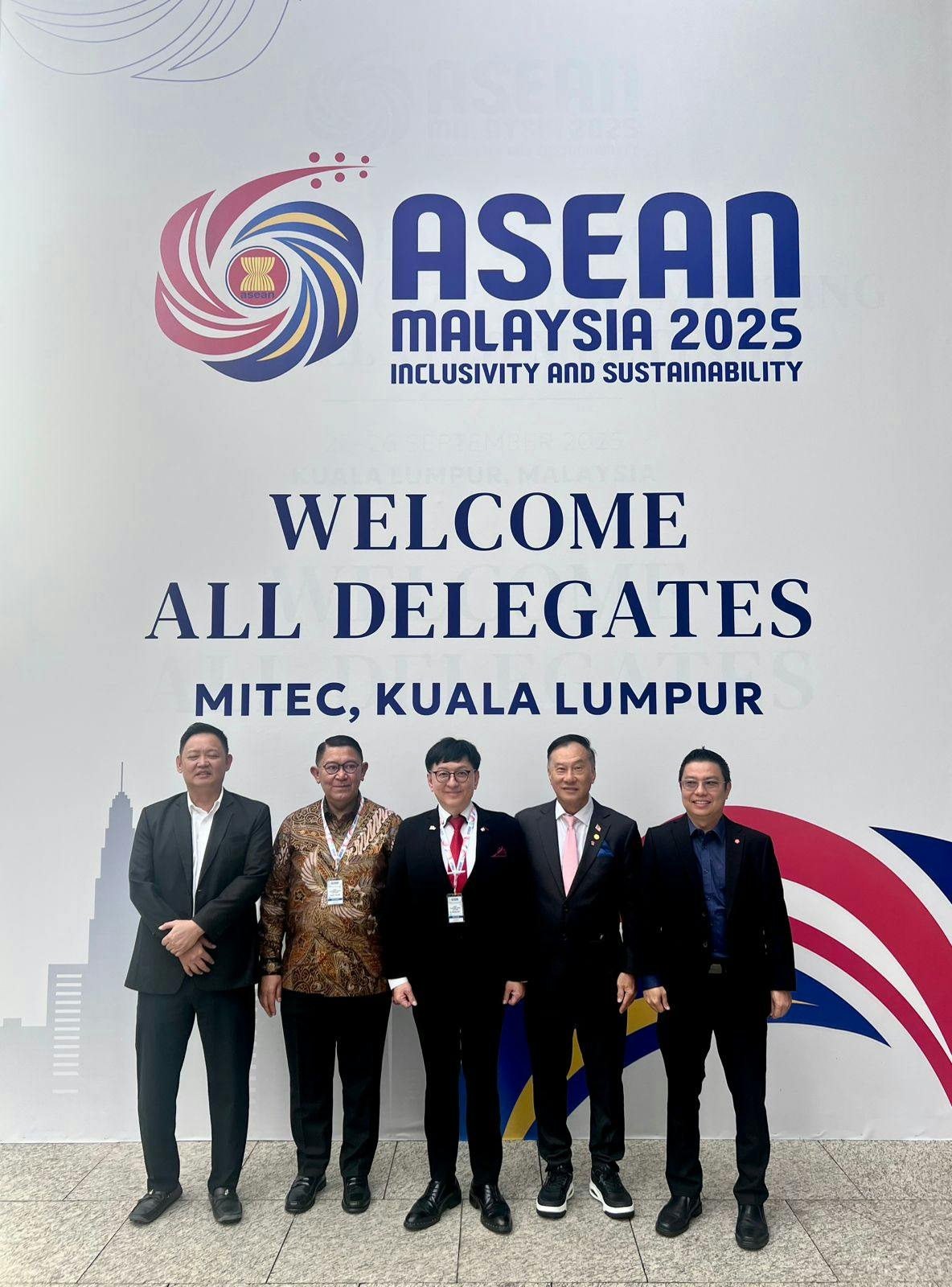
FIATA President, Dr Thomas Sim and FIATA Senior Vice-President, Mr Yukki Nugrahawan Hanafi participated in the ASEAN Malaysia event, titled "Inclusivity and Sustainability".
In his Special Address, FIATA President Dr Thomas Sim commended Malaysia and the Federation of Malaysian Freight Forwarders (FMFF) for championing inclusive logistics transformation and fostering strong public–private partnerships to enhance ASEAN’s trade competitiveness. He emphasised that: “ASEAN is uniquely positioned to set the benchmark for emerging economies - proving that sustainability and efficiency can coexist within the same logistics chain”. Dr Sim also reaffirmed FIATA’s commitment to deepen collaboration with United Nations Economic and Social Commission for Asia and the Pacific, ASEAN transport ministries, and national associations to translate regional strategies into tangible action, including advancing green freight corridors, digital interoperability, and capacity-building initiatives that empower SMEs across the logistics value chain.
During his opening address, Mr Hanafi reinforced the Federation’s continued commitment to strengthening collaboration with ASEAN partners in advancing sustainable, digital, and multimodal logistics.
Their engagement highlighted FIATA’s role as a key enabler in supporting cross-border trade facilitation, capacity building, and policy harmonisation across the region.
Multimodality: FIATA Supports Bioceanic Corridor Development in South America
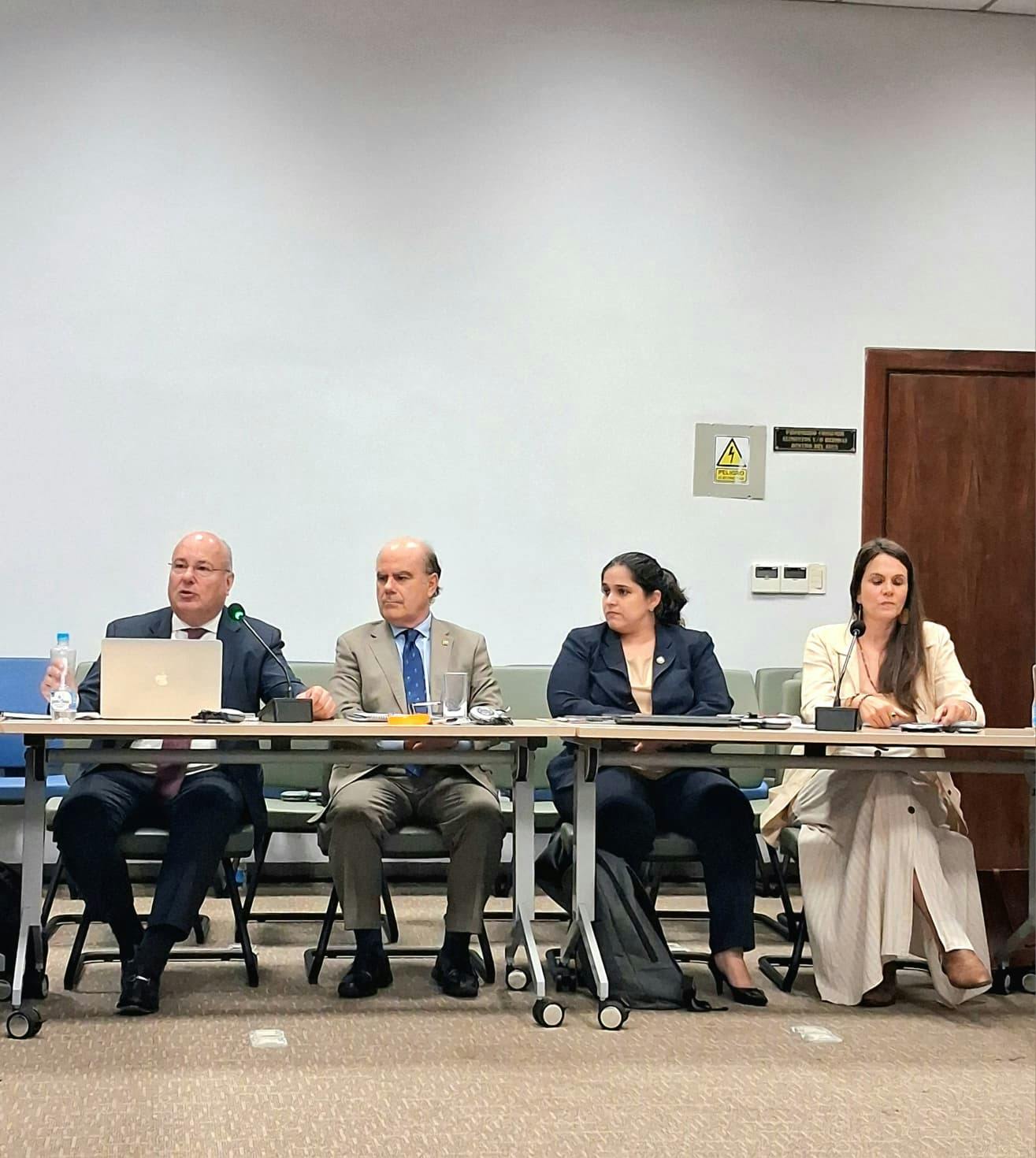
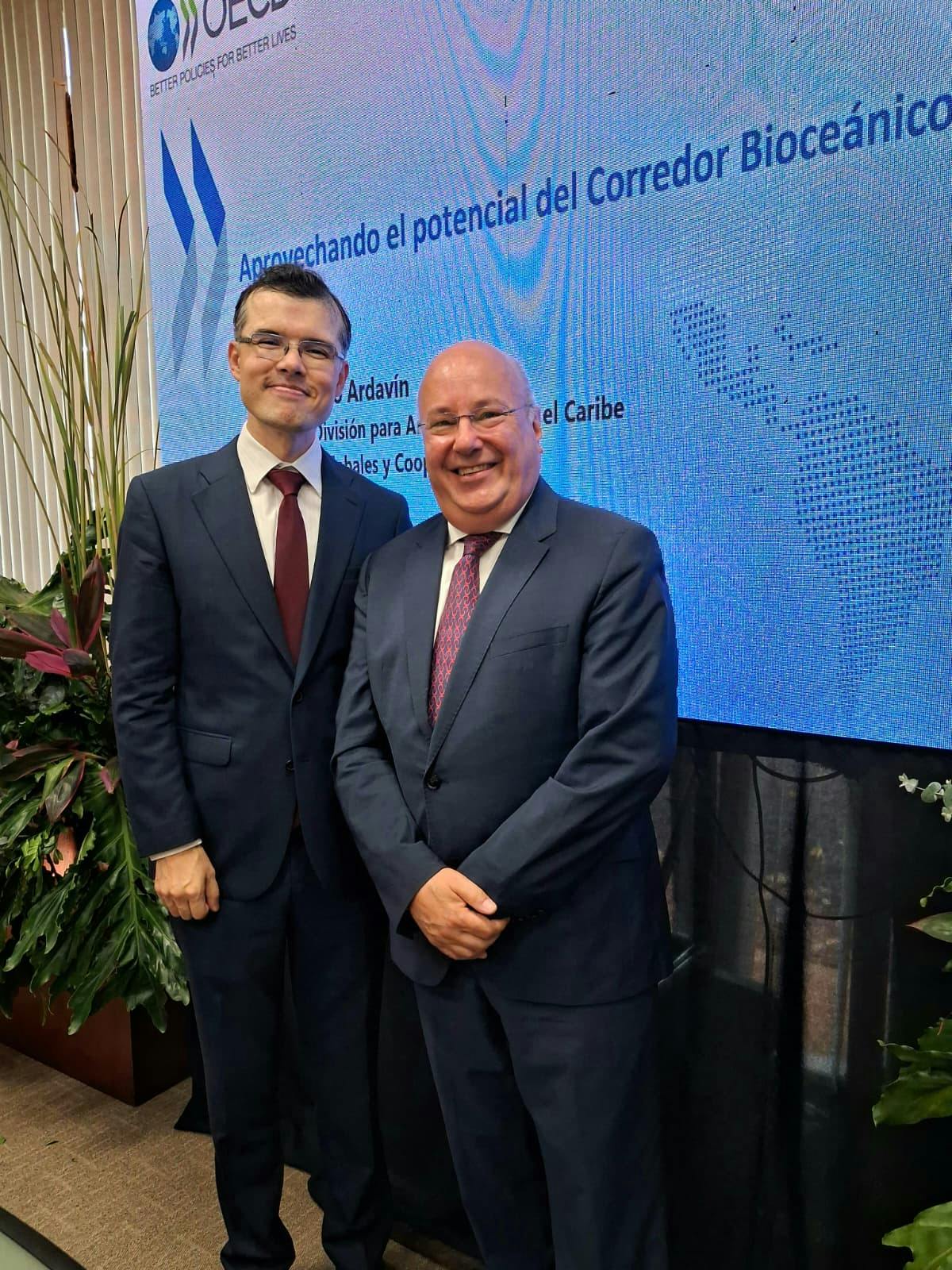
FIATA Vice-President, Mr Guillermo González Larsen, took part in the multilateral sessions on the Capricorn Bioceanic Corridor (CBC) held in Asunción, Paraguay, on 13 November 2025. The discussions gathered government representatives, multilateral organisations, private-sector leaders, and regional development institutions to assess opportunities in infrastructure, trade facilitation, governance, and sustainability along this key Atlantic–Pacific transport corridor.
The sessions explored four priority areas shaping the future of the CBC: physical infrastructure, trade facilitation and governance, sustainability, and digital connectivity. Forecasts anticipate cargo volumes tripling by 2060, underscoring the need for modern, resilient infrastructure and a supranational governance framework to ensure continuity, efficiency, and predictability. Paraguay’s investment exceeding USD 1 billion, Brazil’s requirements in cold chain and customs coordination, and OECD’s guidance on megaproject governance were cited as important references for the region’s integration efforts.
Participants highlighted that the corridor’s main constraint lies in soft infrastructure rather than physical assets. Fragmentation across regulatory, procedural, and digital systems continues to impede seamless operations. With over 40 actors involved, discussions emphasised the urgency of harmonising customs and sanitary systems, improving interoperability between single windows, and establishing a permanent governance mechanism. FIATA’s technical input on standardised documentation, interoperability, and professional training was acknowledged as vital to advancing trade facilitation and efficiency.
Environmental and social sustainability, together with digitalisation, emerged as decisive dimensions for the corridor’s long-term success. Delegates stressed the importance of integrating ESG principles, inclusive consultations, and disaster resilience into planning, while strengthening digital and energy connectivity to enhance competitiveness. The development of interoperable data systems, electronic certification, and transparent governance frameworks was identified as essential to reducing costs and delays.
FIATA reaffirmed its readiness to provide technical expertise, standards, and capacity building support to strengthen the corridor’s integration and ensure sustainable development across the region.
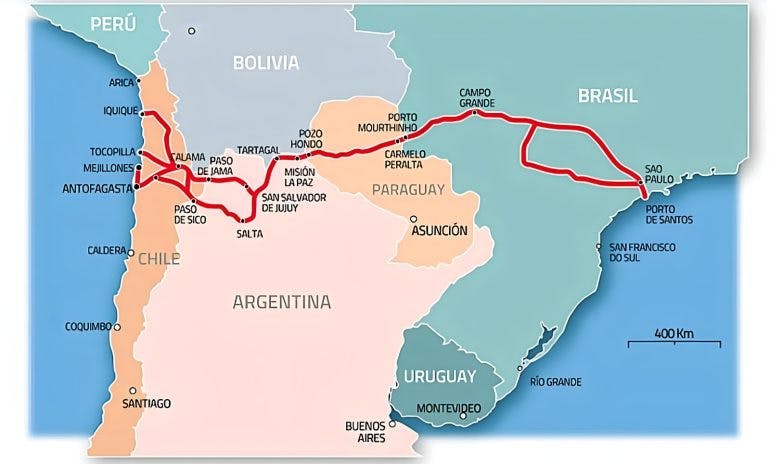
Source: The AsunciónTimes
Regional Connectivity: FIATA Strengthening Legal and Digital -Integration at the ITF High-Level Dialogue
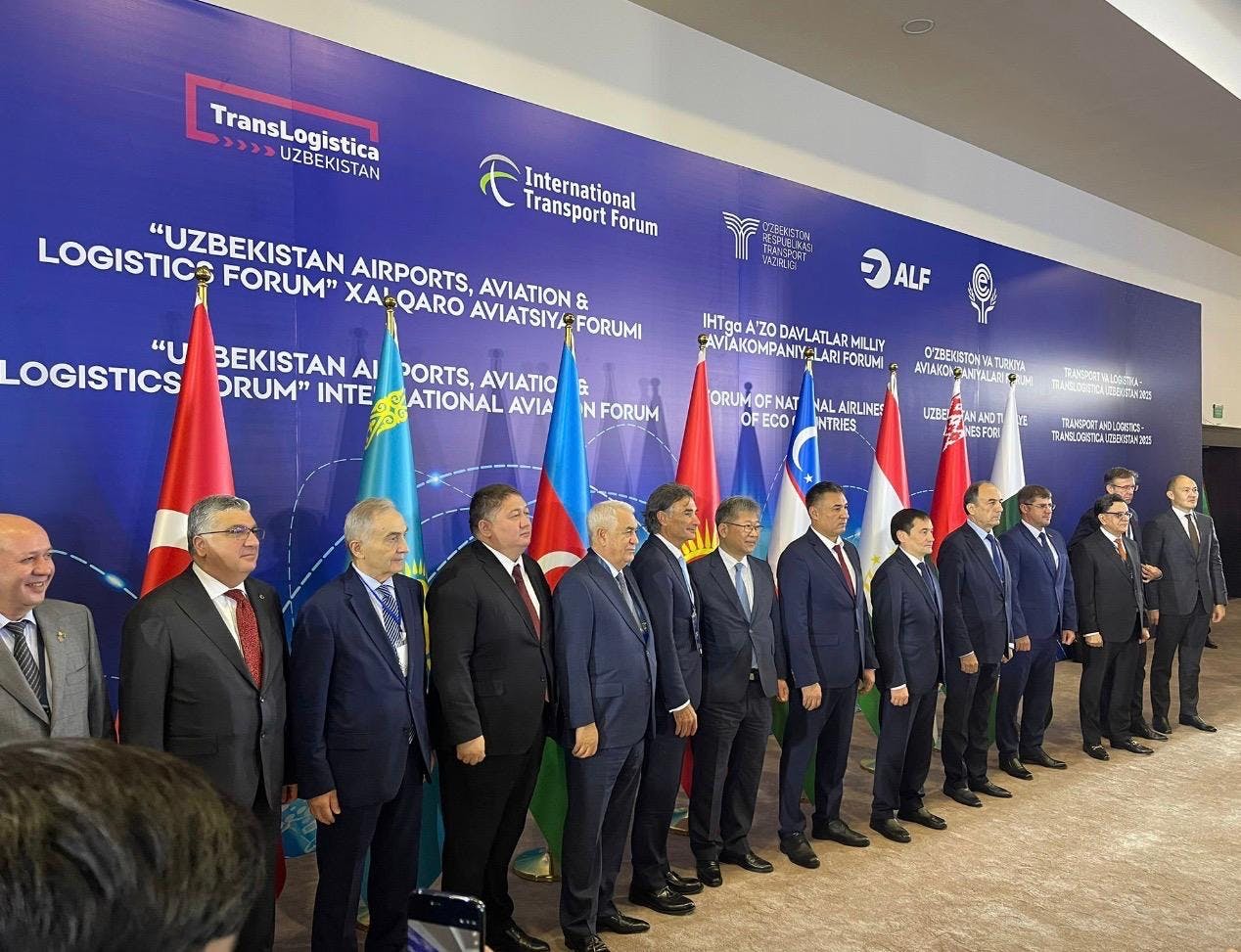
On 11 November, FIATA Participated in the 4th ITF Regional High-Level Dialogue for Asia organised by the ITF - International Transport Forum at the OECD and hosted with the Ministry of Transport of the Republic of Uzbekistan in parallel with Translogistica Uzbekistan 2025.
FIATA Director General, Dr Stéphane Graber joined the International Road Transport Union (IRU) Secretary General, Mr Umberto de Pretto, in welcoming the participants on behalf of the private sector during the opening session, alongside ITF Secretary General Dr Young Tae Kim and the Minister of Transport of the Republic of Uzbekistan, Mr Makhakamov Ilkhom Rustamovich. The event gathered a strong transport community, including ministers, senior government officials, international organisations, and industry leaders shaping the future of freight connectivity across the region.
A highlight of the day was the Informal Ministers' Roundtable moderated by the ITF Secretary General, Dr Young Tae Kim, where transport ministers from Uzbekistan, Kyrgyzstan, Tajikistan, Azerbaijan, Kazakhstan, Pakistan and Türkiye engaged in an open discussion on how infrastructure investment and development can strengthen interregional economic connectivity, with a strong focus on the Middle Corridor. Leaders from United Nations Economic Commission for Europe (UNECE), United Nations Economic and Social Commission for Asia and the Pacific (UNESCAP), Transport Corridor Europe-Caucasus-Asia (TRACECA), Organization of the Black Sea Economic Cooperation (BSEC), Asian Development Bank (ADB), The World Bank, Islamic Development Bank (IsDB), Global Green Growth Institute (GGGI) Asia, IRU, International union of railways (UIC), World Road Association (PIARC), , FIATA and others contributed valuable perspectives, creating a rare space for open dialogue across borders and sectors.
During his intervention, Dr Graber, underscored the importance of legal harmonisation and adoption of key international legal framework, notably the United Nations Commission on International Trade Law (UNCITRAL) Model Law on Electronic Transferable Records (MLETR) and the UNCITRAL Convention on Negotiable Cargo Documents (NCDs). These frameworks are essential to support digital trade, multimodal transport, trade finance and legal certainty. FIATA also called for stronger multimodal connectivity and the implementation of trade facilitation measures such as Authorised Economic Operator programmes and mutual recognition agreements, improved data exchange and governance, as well as digital inclusion and skills development across the logistics sector. It was noted that corridor initiatives in many regions remain fragmented and underutilised. Achieving true operationalisation requires more than physical infrastructure: it demands (1) the logistics expertise of freight forwarders, (2) digital interoperability, and (3) harmonised cross-border procedures supported by coherent international legal framework.
The afternoon policy dialogues explored emerging multimodal corridors, smarter logistics, digital transformation, and the future of e-services in transport. Speakers from governments, international organisation, academia, railways, customs agencies, and the private sector shared practical pathways to build more resilient, efficient and seamless supply chains. FIATA namely set the scene for the panel session on "Digital Transformation of Transport Systems: Integration of e-Services and Creation of Seamless logistics".
The insights and partnerships forged during this event will inform regional and global dialogues ahead of the 2026 ITF Summit in Leipzig.
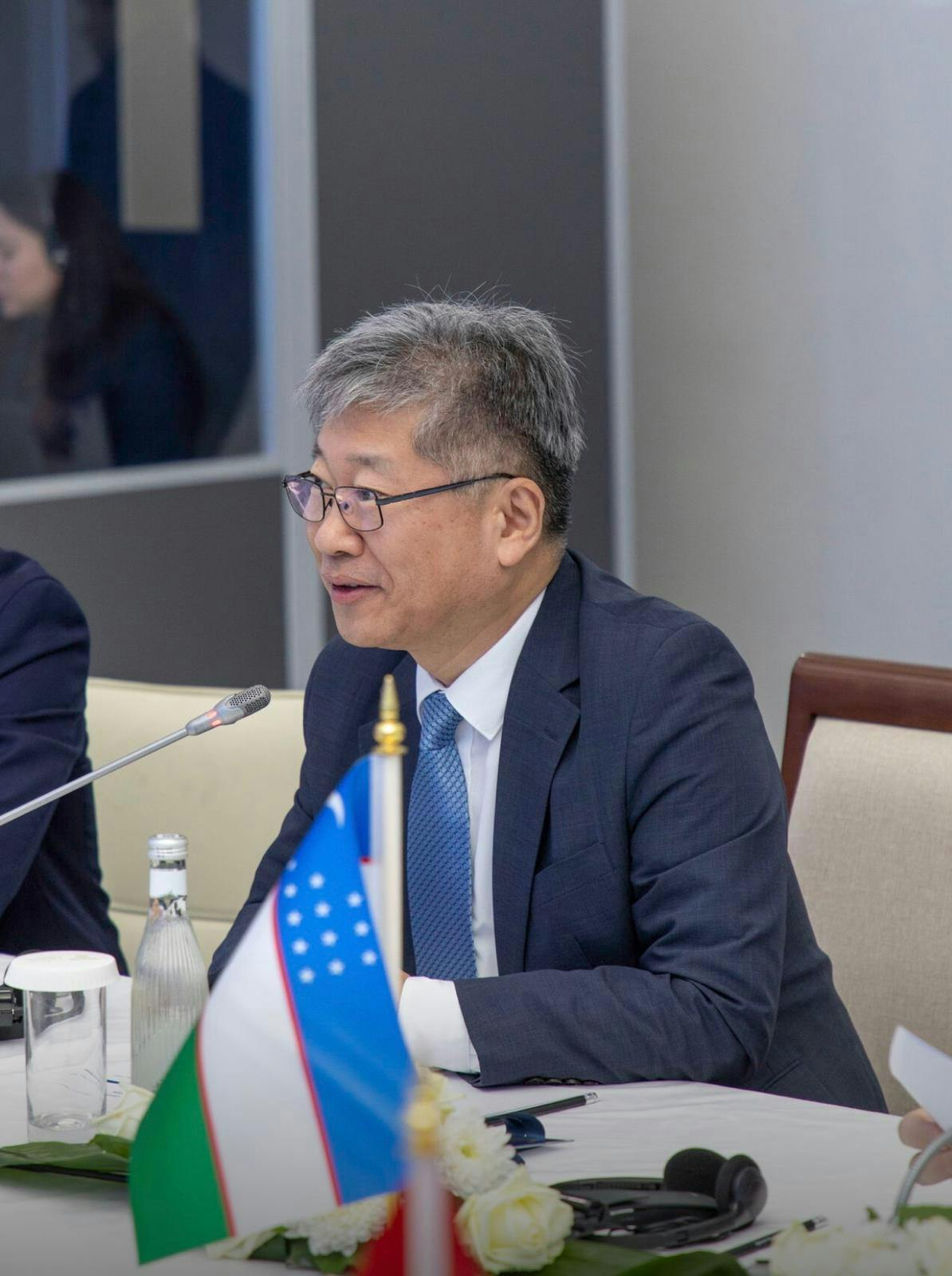
Dr Young Tae Kim, Secretary General, International Transport Forum (ITF) at the OECD.
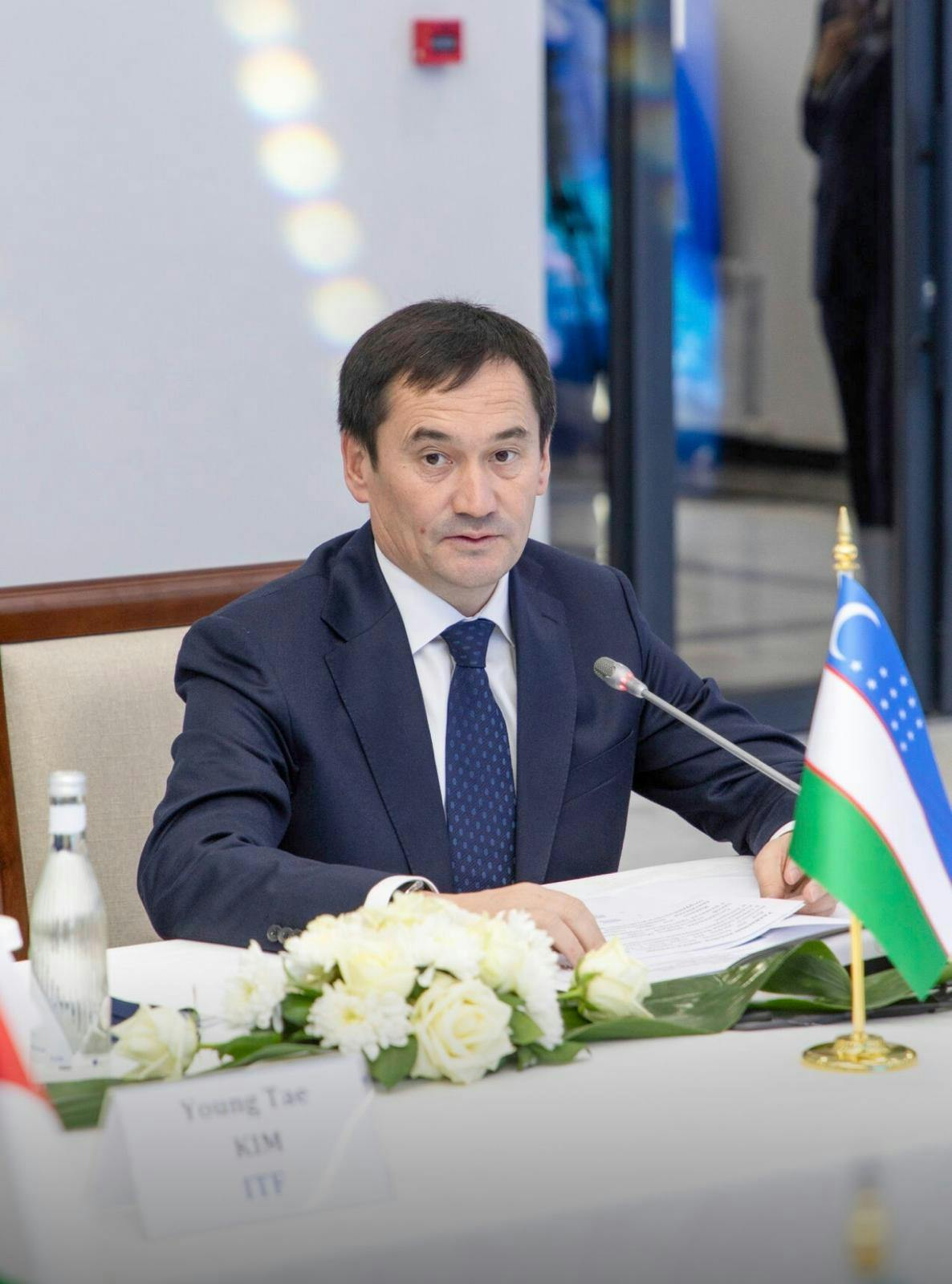
Mr Makhkamov Ilhom Rustamovich. Minister of transport of the Republic of Uzbekistan
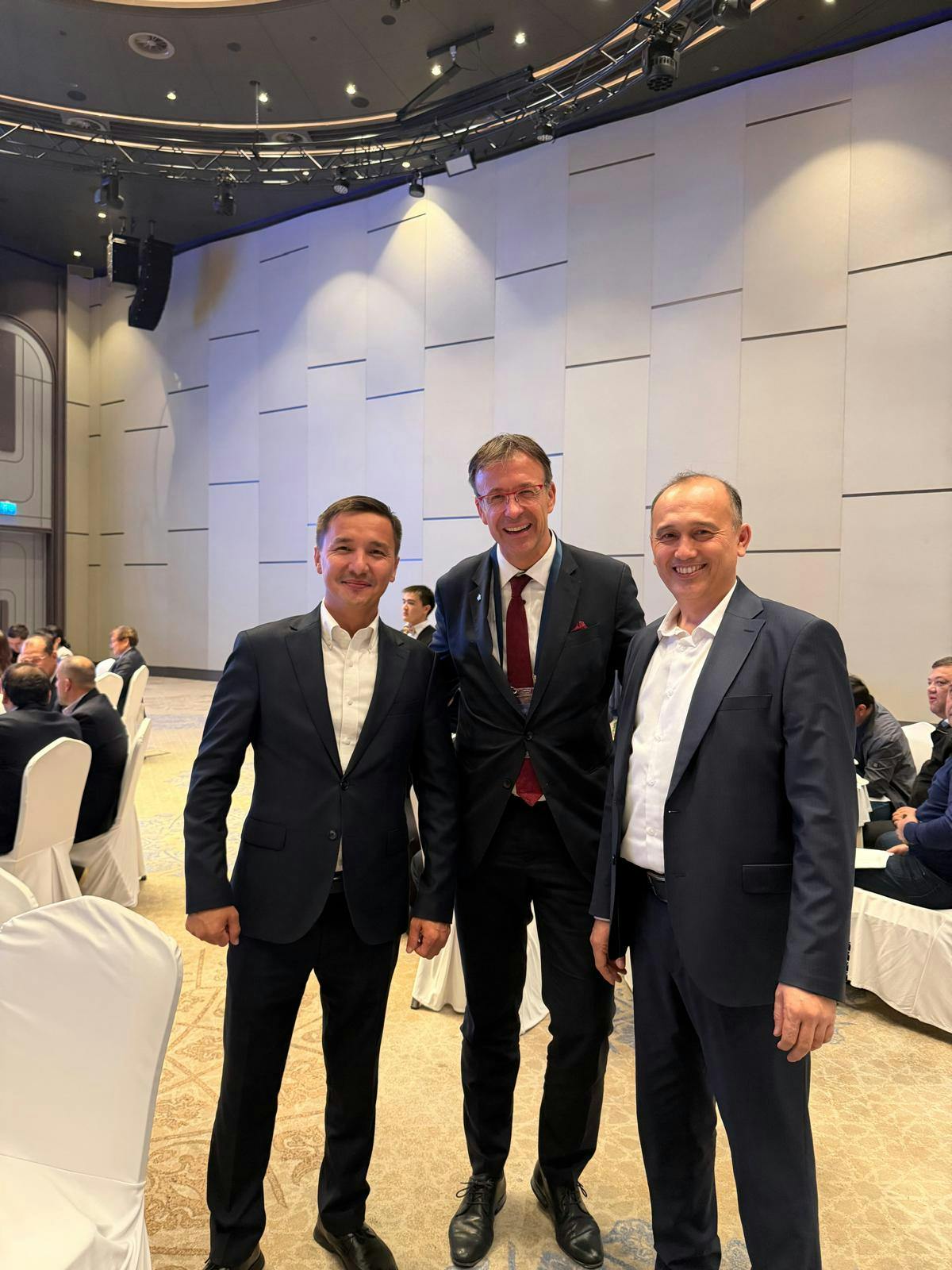
Dr Stéphane Graber with Mamanbiy Omarov, First Deputy Minister of Transport Ubzbekistan (left).
Multimodal Connectivity: FIATA Strengthening Links with Uzbek Rail and Forwarders
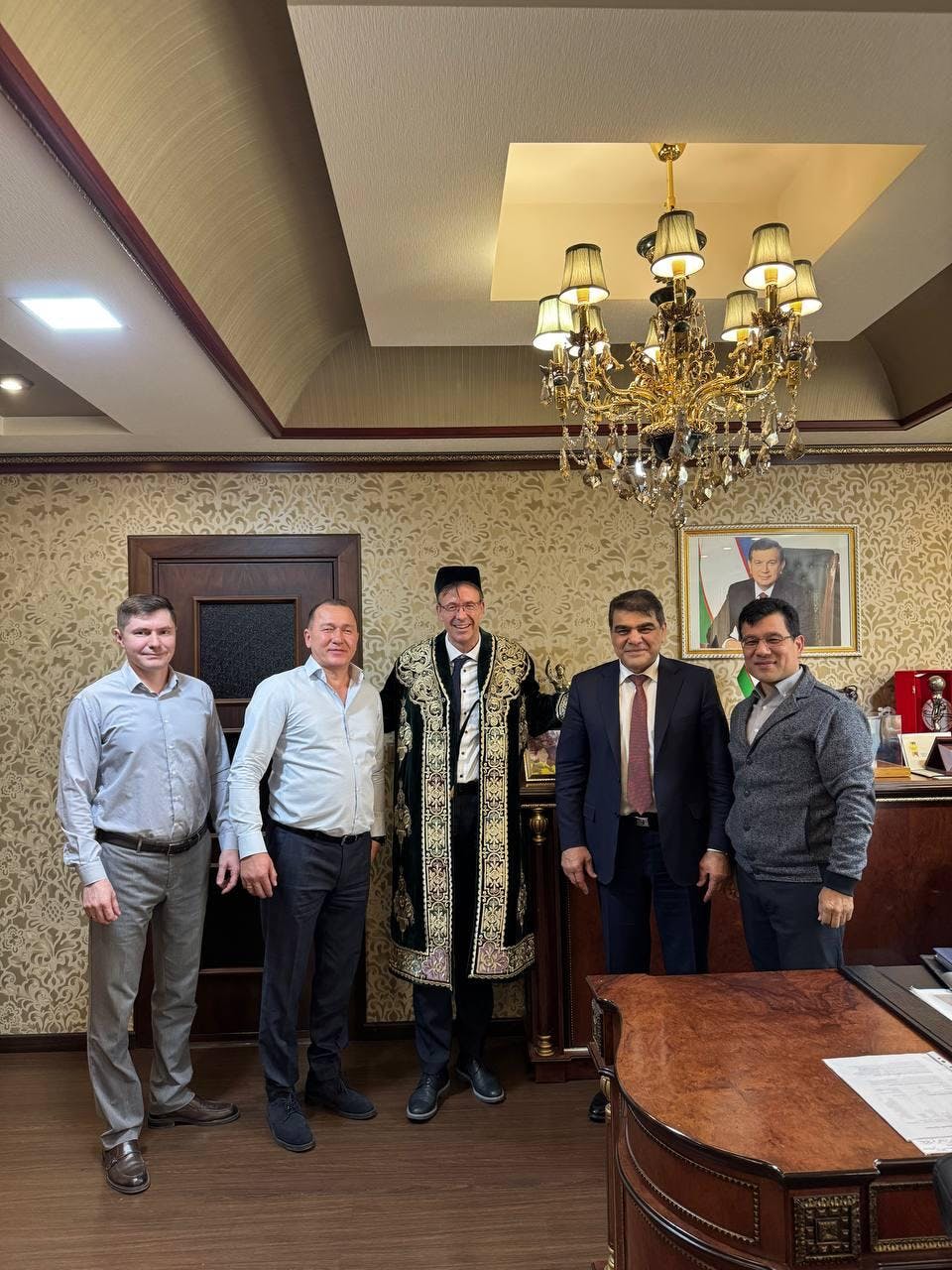
Dr Stéphane Graber, FIATA Director General with Dr Khokim S. Matchanov, President of the Uzbek International Forwarders Association and representatives of CEVA Logistics and CMA CGM.
In parallel with the 4th ITF Regional High-Level Dialogue for Asia, FIATA Director General visited the FIATA Association Member, the Uzbek International Forwarders Association, and met with its President, Dr Khokim S. Matchanov, as well as local FIATA Members including Ceva Logistics and Transgroup Logistics FZE. Discussions focused on FIATA’s digitalisation of transport documents and its vocational training offer. Members shared their regional logistics challenges and concerns, enabling FIATA to echo these at the Ministers’ Roundtable, fully endorsing its role as the voice of the logistics industry.
FIATA also met with Mr Hikmat Rakhmetov, First Deputy Chair of the Board of O'zbekiston Temir Yo'llari (Uzbekistan Railways), which provided an opportunity to present the electronic Negotiable FIATA Multimodal Transport Bill of Lading (eFBL) and its application for rail transport, referencing the successful test shipment in 2024 from Kazakhstan to China financed by Bank of China. The discussion also highlighted United Nations Commission on International Trade Law (UNCITRAL) new convention on Negotiable Cargo Documents (NCDs) earlier this year, strongly supported by FIATA, and its importance for double-landlocked territories like Uzbekistan in reinforcing multimodal transport.
Upcoming FIATA Events